Who Controls Russia's €260 Billion? Washington and Europe Clash Over Moscow's Frozen Reserves
A reported U.S. proposal to redirect frozen Russian sovereign assets into a Washington-influenced fund has sparked a sharp dispute with European allies.
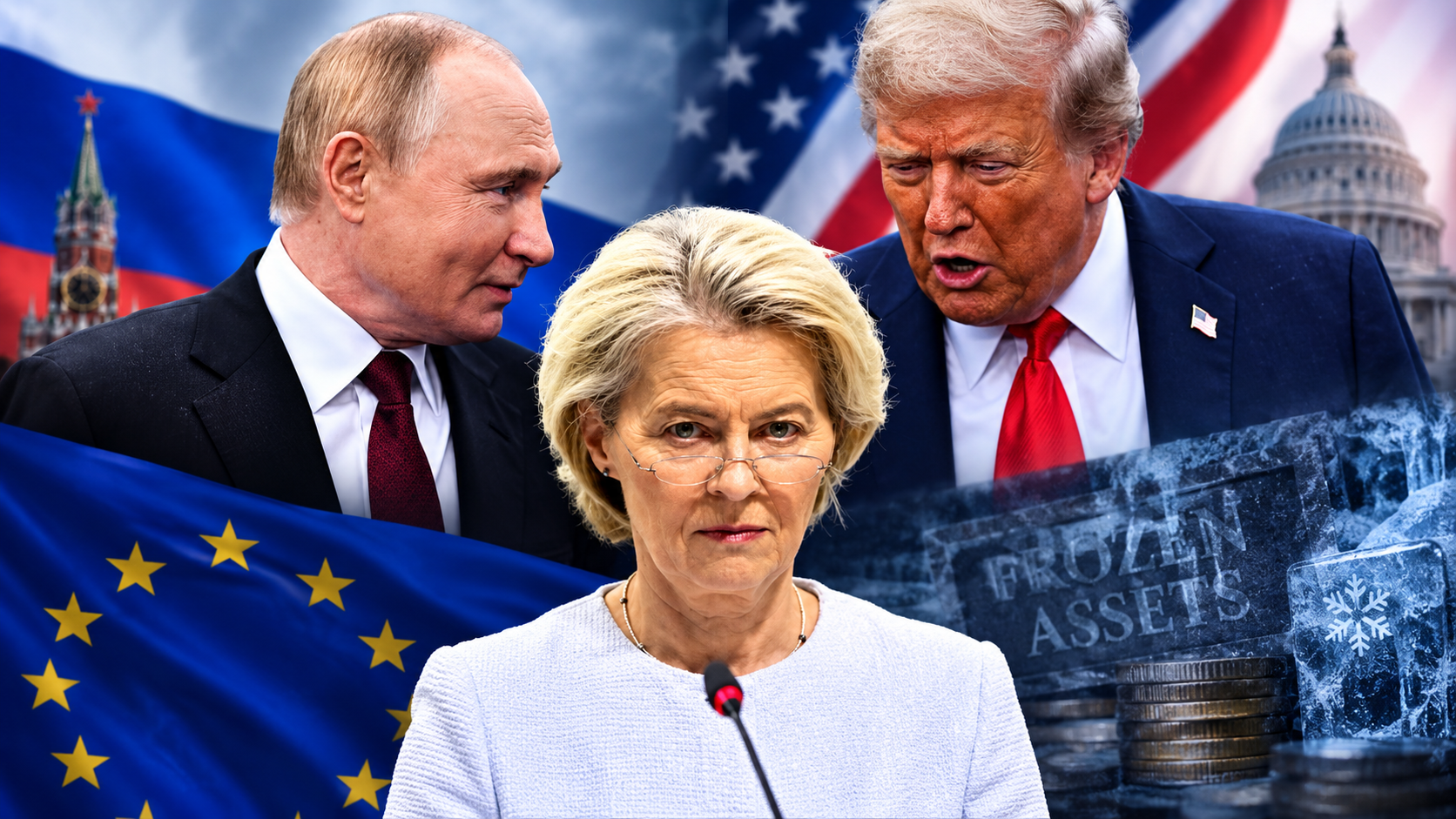
A high-stakes diplomatic and financial dispute has emerged between the United States and European capitals over roughly €260 billion in frozen Russian sovereign assets. The friction centers on whether Washington or European institutions should exercise ultimate control over these funds as part of efforts to revive negotiations over Ukraine.
The debate gained urgency following reports that U.S. representatives, reportedly including Steve Witkoff and Jared Kushner, discussed a proposal in Miami under which some frozen Russian assets would be transferred or directed into a fund controlled or heavily influenced by Washington. However, reporting indicates that descriptions of a fully Washington-controlled fund may exaggerate or misrepresent the actual nature of the proposal, which formed part of a broader negotiating concept rather than an officially confirmed U.S. government policy.
Worldwide, approximately €260 billion in Russian central-bank and sovereign wealth reserves are currently immobilized, with the vast majority held in Europe. The bulk of these assets are located within European financial institutions, most notably through Euroclear, the Brussels-based international central securities depository. Because these reserves sit primarily in European jurisdictions, European governments hold the primary legal and operational responsibility for their custody.
Washington's reported interest in directing or influencing a portion of these funds stems from a desire to leverage economic resources to shape eventual peace negotiations and secure strategic outcomes regarding Ukraine. European governments, however, have strongly resisted transferring control of the underlying assets to the United States. This resistance is rooted in complex legal, financial, and political considerations.
Legally, the outright confiscation of central-bank reserves presents severe hurdles. International law protects sovereign immunity and property rights, and permanent expropriation of state reserves risks creating a profound precedent for the international financial system. Many European officials and legal experts warn that outright seizure could undermine confidence among foreign governments holding reserves in Western jurisdictions, potentially triggering capital flight or retaliatory measures against Western assets abroad.
In contrast to transferring the underlying principal, European institutions have focused on utilizing the profits and extraordinary revenues generated by the frozen assets. These funds are already being deployed to support Ukraine financially and to help repay G7-backed loans, a mechanism that European officials view as legally sound and less disruptive to global financial stability than permanent confiscation.
The positions of the key actors reflect these competing priorities. The European Commission and individual European member states maintain that any use of the reserves must strictly adhere to international law and protect the stability of the Euroclear system. The United States pursues active diplomatic avenues to test negotiating concepts, while Ukraine presses for maximum financial support to sustain its defense and recovery. Meanwhile, Moscow continues to denounce the immobilization of its reserves as illegal and has threatened countermeasures against Western assets remaining in Russia.
As diplomatic channels remain active, the fundamental disagreement persists over whether the frozen billions represent a purely European financial responsibility or a shared Western bargaining chip. The outcome of this debate will determine not only the immediate financial support available to Ukraine but also the future architecture of international financial security and sovereign asset protection.