FDA tentative approval brings $40 lenacapavir closer to African clinics
Dr. Reddy’s says its generic twice-yearly HIV-prevention medicine could reach countries before the end of 2026 under an agreement covering 120 markets. The regulatory advance matters, but the injection price is not the full cost of starting and sustaining a prevention programme.
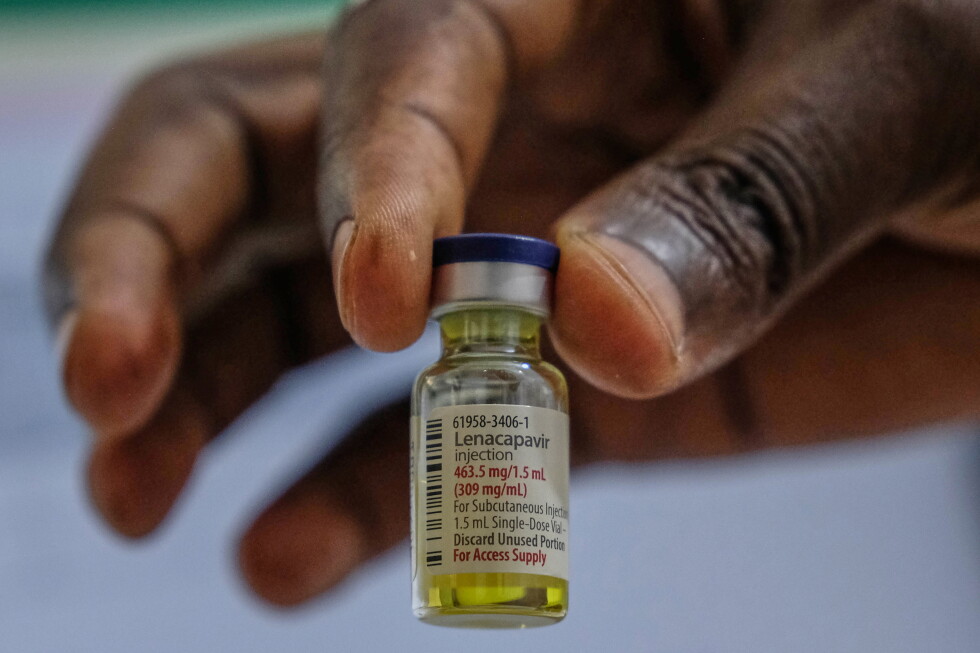
Dr. Reddy’s Laboratories says it has secured U.S. FDA tentative approval for a generic version of injectable lenacapavir for HIV prevention, bringing a lower-cost supply option closer to African health programmes. The company and its access partners announced the decision on 2 November and expect first supplies to reach countries before the end of 2026, with broader availability in 2027.
That is a regulatory milestone, not evidence that generic deliveries have already arrived or that every national programme can begin using them. The remaining work includes regulatory steps, purchasing, trained providers and reliable HIV testing. The announced $40 annual injection price is important, but it is not a complete first-year prevention or programme bill.
What “tentative approval” means
The company says the decision was granted under the President’s Emergency Plan for AIDS Relief, or PEPFAR, pathway. The FDA explains that it applies its normal safety, efficacy and manufacturing-quality standards to products reviewed through this system.
Where U.S. patent or exclusivity protection remains, the agency can issue tentative rather than full approval. Such products are eligible for PEPFAR procurement for distribution outside the United States; tentative approval does not authorise ordinary U.S. commercial marketing while those protections apply.
The designation should therefore neither be inflated into unrestricted marketing approval nor dismissed as an absence of quality review. It provides an important basis for access without replacing the national regulatory decisions required where medicines will be used. Dr. Reddy’s identifies WHO prequalification and national approvals among the remaining steps towards wider availability.
The $40 price has an important qualification
The supply price comes from an access agreement involving Dr. Reddy’s, Unitaid, the Clinton Health Access Initiative and South Africa’s Wits Reproductive Health and HIV Institute. It was announced in September 2025, before the latest regulatory decision, alongside support for product development and regulatory work.
CHAI’s original agreement announcement specifies $40 per person per year for the injections. It also states that the initial oral course costs no more than $17. Those initiation tablets are needed when someone starts the regimen; the headline annual injection figure does not include them.
Nor does the drug price by itself describe the cost of testing, clinic staff, follow-up and distribution. The practical question for health ministries is not simply whether an injection is affordable, but how many people a funded service can safely start and retain.
Licensing creates a market, not universal availability
Gilead granted non-exclusive, royalty-free licences to six generic manufacturers in October 2024, including Dr. Reddy’s. They cover 120 specified high-incidence, resource-limited countries, primarily low- and lower-middle-income markets. This is a defined licensing territory, not an entitlement covering every country classified as low or middle income.
The licences were negotiated directly with Gilead. The subsequent Unitaid–CHAI–Wits RHI partnership helped Dr. Reddy’s develop an affordable product and accelerate its path through regulatory review. Licensing, financial support, regulatory evaluation and procurement are distinct parts of the access architecture.
African rollout also does not start from zero. Unitaid reported on 2 November that more than 125,000 people in 10 early-adopter African countries had already started Gilead’s product. That is the agency’s reported originator uptake, not a count of people receiving Dr. Reddy’s generic.
South Africa’s regulator, SAHPRA, announced registration of Gilead’s prevention product in October 2025. That decision demonstrates an existing regulatory foundation for lenacapavir in a major African market, but it must not be presented as a new approval of this generic.
Prevention is not treatment, and efficacy is not a guarantee
Lenacapavir is the active ingredient in Gilead’s Yeztugo HIV-prevention product. Its use as pre-exposure prophylaxis, or PrEP, is intended for people without HIV who are at risk of acquiring it. The company’s generic announcement covers adults and adolescents weighing at least 35 kilograms.
The FDA’s Yeztugo prescribing information describes strong results in the PURPOSE trials. At the primary efficacy analysis in PURPOSE 1, involving young women and adolescent girls in South Africa and Uganda, there were no infections among 2,134 participants assigned lenacapavir. PURPOSE 2 recorded two infections among 2,179 assigned the drug.
These are trial findings at the specified analysis, not a promise of perfect protection in routine care or a new efficacy trial conducted on Dr. Reddy’s product. Lenacapavir also has a treatment role in other regimens, but prevention dosing must not be treated as a complete HIV-treatment regimen.
Long-acting does not mean follow-up-free. The originator label requires HIV testing before starting and before each subsequent injection, warning of drug resistance if infection is unrecognised. It also identifies injection-site reactions among the common adverse effects. Twice-yearly maintenance reduces daily pill-taking, but still depends on people returning for dosing and appropriate clinical care.
What will determine the 2027 impact
The end-2026 supply target remains an expectation from the manufacturer and partners. It is not a verified shipment schedule for individual African countries, and the November announcement does not identify every destination or allocation.
Wits RHI implementation scientist Saiqa Mullick cautioned in the announcement that an affordable drug alone is insufficient: health systems, providers and communities must be ready. That is the central qualification to claims that generic lenacapavir will transform prevention.
The next test is whether regulatory and pricing progress becomes sustained access: funded orders, dependable deliveries, testing and services people choose to use. The injection can expand prevention options without making existing oral PrEP obsolete. Its public-health significance will depend on additional people being protected, not simply on a low price being announced.