Sudan's War Explained: How a Power Struggle Became a Regional Catastrophe
An investigative analysis of how Sudan descended into a devastating conflict, the role of rival military establishments, and the failure of international mediation.
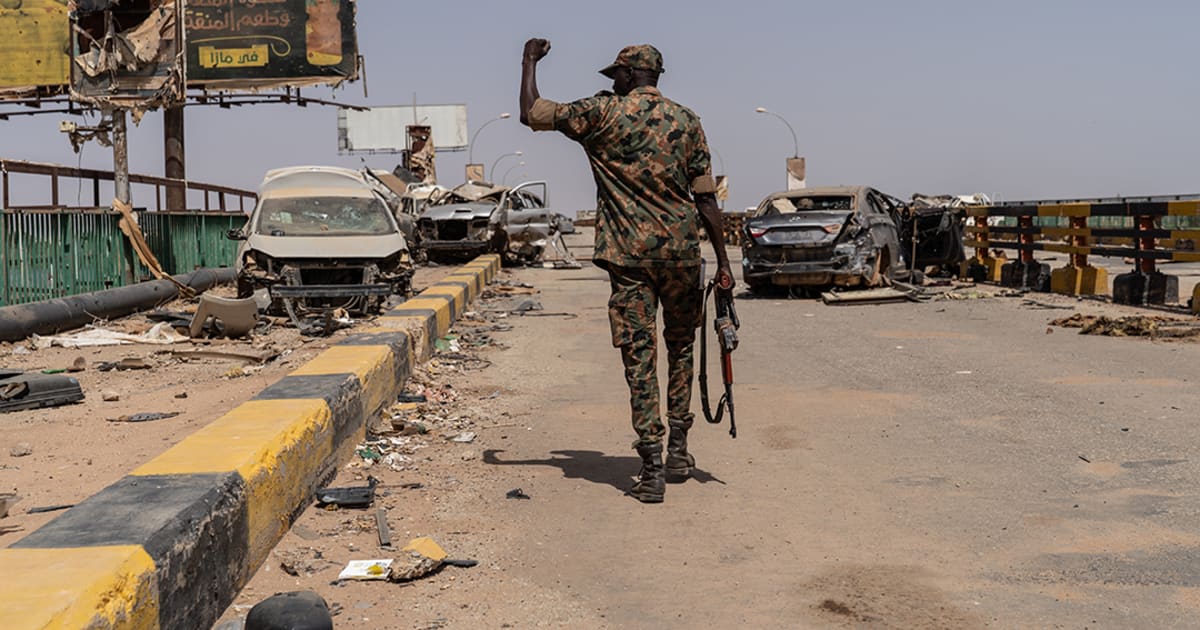
Sudan's war has evolved into one of the world's most severe humanitarian and displacement crises, fracturing the country along political, military, and ethnic lines. The conflict pits the Sudanese Armed Forces (SAF), commanded by General Abdel Fattah al-Burhan, against the Rapid Support Forces (RSF), led by Mohamed Hamdan Dagalo, widely known as Hemedti. The confrontation has turned densely populated neighborhoods in Khartoum, Darfur, Gezira, and other strategic regions into active battlefronts, causing the displacement of millions of Sudanese and creating widespread famine and hunger.
To understand how Sudan reached this point, it is necessary to trace the parallel evolution of the country's military and paramilitary institutions. The RSF traces its origins to the Janjaweed militias that operated in Darfur during the early 2000s. Over subsequent years, the militia was institutionalized and transformed into a powerful paramilitary organization under the former regime of Omar al-Bashir. Both the SAF and the RSF accumulated substantial political and economic power, building financial networks that spanned Sudan's lucrative gold industry, agricultural resources, and regional trade routes.
The downfall of Omar al-Bashir in April 2019 opened a brief window for a civilian-led transition. However, the fragile partnership between civilian political groups and military leaders fractured during the 2021 military coup led by General al-Burhan and Hemedti. In the months leading up to April 2023, tensions escalated over security-sector reform, specifically disagreements regarding the timeline and terms for integrating the RSF into the regular armed forces. These unresolved structural disputes erupted into open warfare in Khartoum and quickly spread across the country.
The fighting has been marked by severe violations against civilians, including targeted ethnic violence in Darfur, attacks on hospitals, schools, and water systems, and the destruction of government institutions. Millions have been forced to flee their homes, seeking refuge in neighboring countries or displaced within Sudan's borders. The collapse of health infrastructure, agricultural production, and market access has plunged significant portions of the population into acute food insecurity.
The international dimension of the conflict has complicated efforts to halt the violence. External actors, including regional powers and international states, have been accused of providing varying forms of support to the warring parties. Documented evidence and persistent allegations point to external financing, diplomatic backing, and weapons supplies—including drones—funneled to both the SAF and the RSF. Sudan's geopolitical position along the Red Sea, its access to Port Sudan, its gold deposits, and its agricultural potential make it strategically vital to the Horn of Africa, the Sahel, Egypt, Gulf states, and the wider Red Sea security architecture.
Diplomatic initiatives have repeatedly stalled. Efforts led by Saudi Arabia and the United States through the Jeddah talks, alongside mediation attempts by the African Union and the Intergovernmental Authority on Development (IGAD), have failed to secure durable ceasefires or political pathways out of the crisis. Competing interests among international and regional powers have undermined a unified diplomatic front, allowing the military institutions to sustain their operations despite the catastrophic toll on the civilian population.
Looking ahead, the trajectory of the conflict points toward several precarious scenarios, ranging from prolonged military stalemate and fragmentation to de facto territorial division. Each outcome carries severe implications for the stability of Sudan and the wider region, cementing the reality that the country's armed establishments grew more powerful than its civilian political system with devastating consequences.