Moyale’s flag dispute has become Kenya’s emergency—and Addis Ababa is still quiet
Fighting between Ethiopia’s Somali and Oromia regional forces since 18 October has driven an estimated 50,000 people into northern Kenya, choked the Mombasa–Addis trade corridor at the border and exposed how little the federal government has said about a conflict between its own regions.
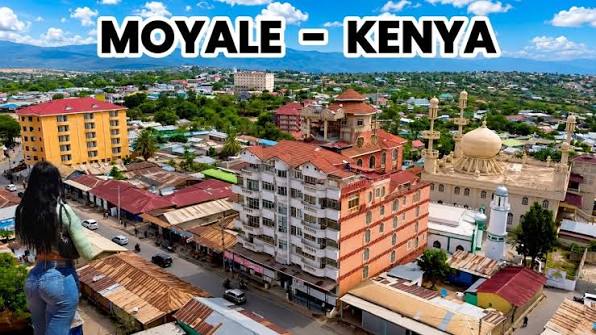
A regional flag raised over a new administrative office in a divided border town has produced one of East Africa’s largest sudden displacements of the year. Since fighting broke out in Moyale on 18 October between Ethiopia’s Somali regional police and Oromia regional police and Oromo militias, an estimated 50,000 people have crossed into northern Kenya, according to the Kenya Red Cross. Kenya has sent more police to the border, a Kenyan has been killed by a stray bullet, and traffic on the road corridor between Addis Ababa and the port of Mombasa has been disrupted.
The conflict is Ethiopian. The cost is increasingly being carried by Kenya’s border communities—while Ethiopia’s federal government, which has the constitutional responsibility and the military presence to separate the two regions’ forces, has said little in public.
What happened
Moyale town is split between the Somali and Oromia regional administrations. According to Jalale Getachew Birru, East Africa senior analyst at the conflict monitor ACLED, fighting began on 18 October after the Somali regional state opened a new administration office and raised its regional flag in a disputed locality. Somali regional police clashed with ethnic Oromo militias, and a 13-year-old Oromo girl was killed. Accounts of her death differ: some say she was caught in crossfire, others that she was shot after trying to remove the flag. A displaced woman told Al Jazeera the girl had not touched it. None of these accounts has been independently verified.
ACLED records that an elder-brokered agreement on 19 October to remove the flag and halt the office opening collapsed the next day, when ethnic Somali residents blocked roads in protest; a grenade was reportedly thrown at the vehicle of the Oromia-appointed mayor, who survived. From 22 October, Somali regional police fought Oromia regional police and Oromo militias in several neighbourhoods of Moyale and in Arero and Wachile districts. Ethiopian federal troops intervened on the first day but did not stop the wider fighting.
ACLED said on 28 October that the clashes in Moyale appeared to have subsided. Later reporting suggests otherwise. On 4 November Addis Standard reported fighting in seven districts, with heavy clashes around the Dawa river basin, and quoted a southern Oromia security official as saying two attempts at talks convened where federal military commanders were stationed had ended without agreement. Kenyan and UN officials told Al Jazeera gunfire could still be heard in Moyale. There is no authoritative death toll. ACLED’s early count, reported by AFP on 24 October, was at least five deaths besides the girl.
A boundary the 2004 referendum did not settle
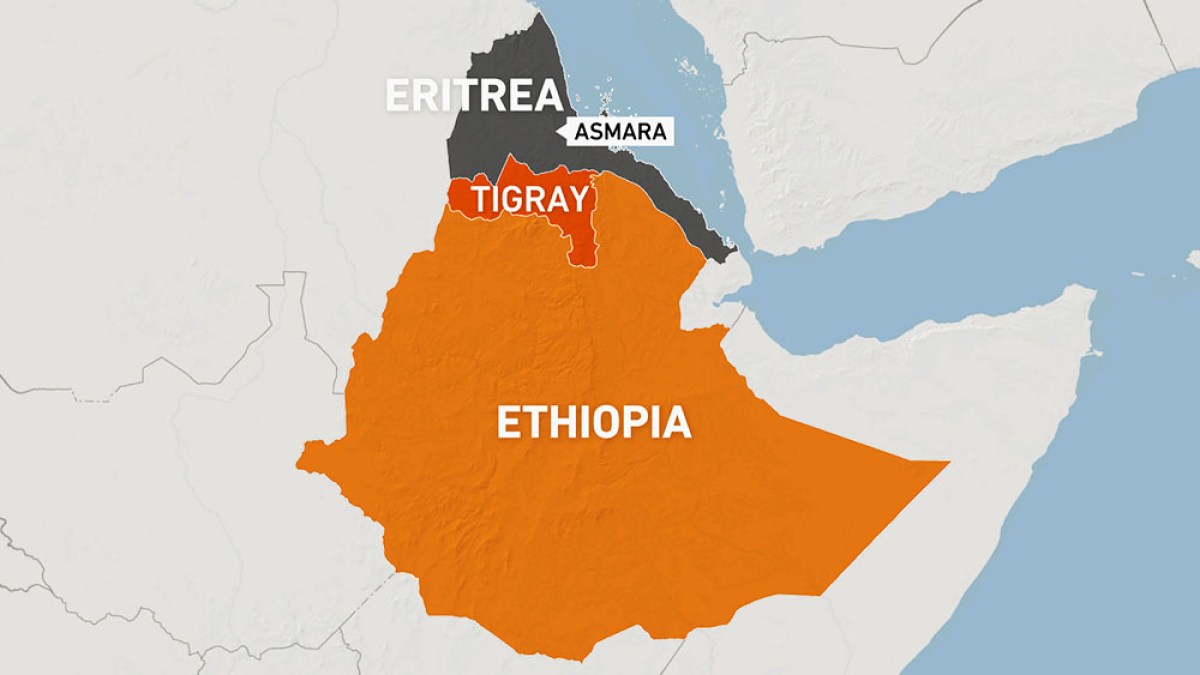
The dispute is old. The Oromia and Somali regions share a boundary of roughly 1,400 kilometres. A referendum in 2004 was meant to settle the status of 422 contested kebeles, the smallest administrative units, but demarcation was delayed for years and some areas were never resolved, according to a 2023 Social Science Research Council briefing by Ketema Wakjira Debela of Addis Ababa University. Moyale has been here before. Fighting along the Oromia–Somali border that began in 2017 caused hundreds of thousands of new displacements, and in December 2018 heavy fighting in Moyale between Garre and Borana sub-clans triggered around 80,000 displacements in two weeks, according to the Internal Displacement Monitoring Centre. Around Moyale the contest is between Borana (Oromo) and Garre (Somali) communities, and ACLED notes that all of the October flashpoints are tied to that historical boundary dispute.
The rhetoric has hardened. The Borana Abba Gadaa, Guyyoo Boruu, told Addis Standard his community would defend its land “until the last Borana son is left”. A Garre elder told the same outlet that his clan would “not yield even a single meter”. Each side accuses the other of preparing for war—trenches, heavy weapons fired from buildings—claims that Addis Standard and AFP could not verify. The more telling point came from the Garre elder himself: “the matter is being led from both sides by government security bodies.” This is not simply communal violence. It is fighting involving the security forces of two constituent states of the same federation.
Who holds power—and who has been silent
Ethiopia’s regional states run their own police forces, but disputes between regions are meant to be handled by federal institutions such as the House of Federation and the Ministry of Peace, and only the federal army can separate the two sides by force. AFP reported on 24 October that Prime Minister Abiy Ahmed’s government had not reacted; Addis Standard described the federal government as “keeping silent” on 4 November. That silence carries a political cost. Abiy is from Oromia, and a security analyst quoted by Al Jazeera said perceptions of Oromo expansionism and allegations of federal support for Oromia’s regional leadership risked deepening mistrust. Those are perceptions and allegations, not established facts—but federal inaction makes them harder to rebut.
Addis Ababa has competing claims on its attention: insurgencies in Oromia and Amhara, renewed fighting in Tigray and tension with Eritrea, as AFP notes. A boundary dispute in the far south has evidently ranked lower. The risk is that it is treated as local until it is not.
Who bears the burden
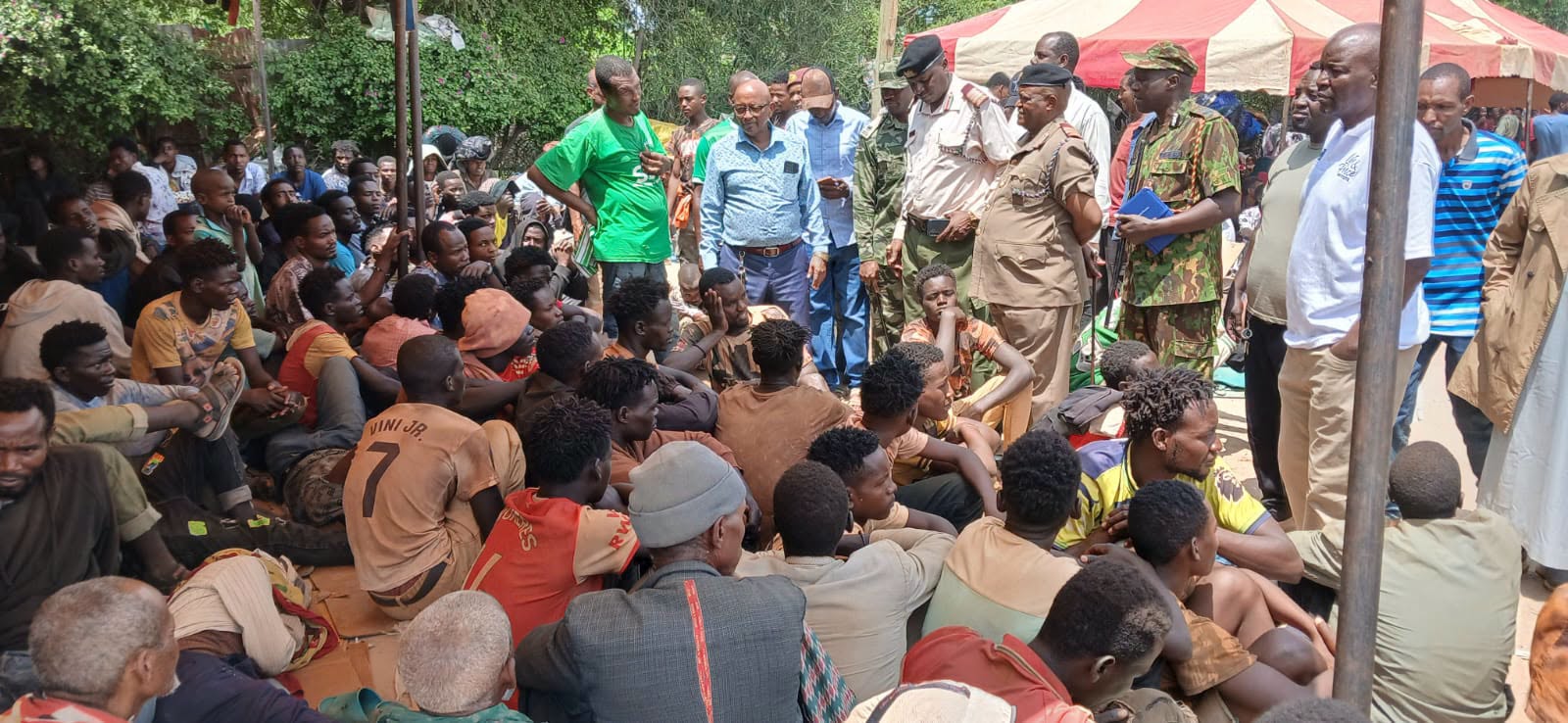
A rapid assessment of 758 households, conducted by Kenyan authorities with the International Organization for Migration (IOM), other UN agencies and NGOs, found that 71% of displaced households did not have enough to eat, 44% lacked sufficient drinking water and more than half had difficulty getting health care, according to UN News. More than half of the arrivals are children. Nearly all came from the Oromia and Somali regions, and nine in ten households said their entire village had fled. Most are living with relatives or host families in Moyale, Kenya; others are in schools, churches and temporary sites, and some are sleeping outdoors. Kenya’s acting commissioner for refugee affairs, Mwasaru Mercy, told Al Jazeera there were no contingency food stocks because the crisis came so abruptly, and that no camp would be set up until security improved.
The numbers need care. A government-led assessment estimated 35,950 people displaced as of 24 October; the Kenya Red Cross now puts the total above 50,000, including those staying with host families. Kenya’s police chief, Douglas Kanja, said about 10,000 were in temporary shelters and public buildings. These figures measure different things, and no final total has been confirmed. UNHCR, UNICEF, IOM and the World Food Programme are jointly seeking $8.9 million to support up to 50,000 people for three months.
The economic damage reaches beyond the displacement sites. A member of the Moyale Cross-Border Peace Committee told Al Jazeera that trucks carrying goods between Mombasa and Addis Ababa had been stranded near the border for almost two weeks, that bank closures had disrupted circulation of the Ethiopian birr, and that traders reported price rises of about 20%. Moyale is a key crossing on that corridor, so the disruption reaches importers and exporters well beyond the town. Inside Ethiopia, the Ethiopian Red Cross Society says it has distributed emergency supplies worth about 30 million birr to 1,000 displaced households.
Why it matters beyond Moyale
For Kenya, the crisis is both humanitarian and a security concern. Kanja said during a visit on 5 November that more officers would be deployed and that Kenya was engaging Ethiopia’s federal government. Nairobi has every reason to want the corridor reopened and armed groups kept on the other side of the border, but little leverage over a dispute between two Ethiopian regions. For Ethiopia, Moyale is a test of whether the federation can settle boundary disputes between its regions without them becoming armed contests. The remedies have been on paper for years: stronger inter-regional forums, completion of demarcation on the basis of the 2004 referendum, and a bigger role for customary institutions, as the SSRC briefing recommended. What has been missing is federal political will to apply them.
What happens next
No formal ceasefire or federal settlement has been announced. The indicators to watch are whether Addis Ababa publicly takes charge of mediation; whether the dispute over the flag and the new office that triggered the fighting is resolved; whether the humanitarian appeal is funded before host communities run out of resources; and whether the Borana Abba Gadaa’s customary journey from Dirree to Liban, which Addis Standard says is due next month along routes affected by the fighting, can proceed peacefully. Without federal action, the likeliest outcome is an armed standoff with periodic flare-ups—and a displaced population that Kenya, not Ethiopia, is left to feed.