Moyale clashes push more than 50,000 Ethiopians into Kenya as aid falls short
Fighting between Oromia and Somali regional forces over a divided border town has displaced more than 200,000 people inside Ethiopia, according to the Ethiopian Red Cross, and sent tens of thousands across the border. A $3 million UN allocation covers only part of what agencies say is needed in northern Kenya.
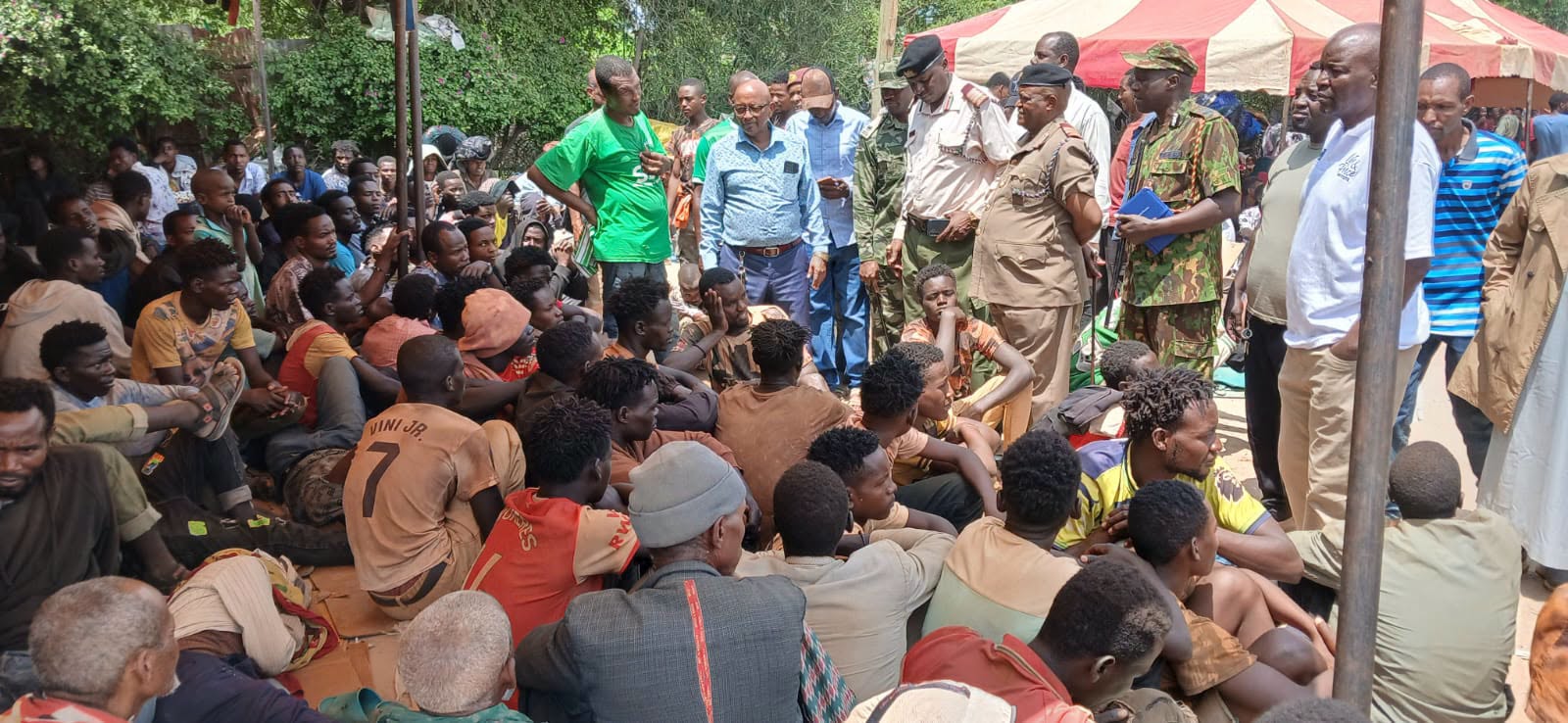
The fighting around Moyale began with a flag. On 18 October, a flag was raised in the border town that Ethiopia's Oromia and Somali regional states administer side by side, and within days the dispute had turned into armed clashes between regional forces. Three weeks later, humanitarian agencies estimate that more than 50,000 Ethiopians have crossed into Kenya, most of them women and children.
The UN's emergency relief coordinator, Tom Fletcher, said on 6 November that he had released $3 million, a little over KSh387 million, from the Central Emergency Response Fund to pay for food, water, shelter and health care for the new arrivals in northern Kenya. The allocation came a day after UNHCR, UNICEF, the International Organization for Migration and the World Food Programme appealed for $8.9 million to support up to 50,000 people for three months. Kenya and its UN partners are planning for as many as 80,000 arrivals, according to IOM.
The numbers remain provisional. UNHCR says registration and verification are still under way and that the figure is based on estimates from local authorities. The agency put arrivals at about 36,000 at the end of October; the Kenya Human Rights Commission said nearly 40,000 at the same point. The growth since then reflects continuing crossings rather than a single wave.
## Displacement on both sides of the border
Inside Ethiopia the picture is larger still. The Ethiopian Red Cross Society says the conflict has reportedly displaced more than 200,000 people across Moyale and neighbouring areas, and the UN humanitarian office (OCHA), as reported by the Daily Nation, says about 200 Ethiopian schools have closed. Regional authorities have reported displacement across eight districts of Oromia and two of the Somali region. The Red Cross says it has distributed shelter and household items worth about 30 million birr to 1,000 displaced households in Moyale town and surrounding kebeles, a fraction of the need.
On the Kenyan side, most of those who fled are staying with host families, while others shelter in schools, churches and a handful of temporary sites in Moyale sub-county, Marsabit County. An OCHA assessment cited by the Daily Nation lists sanitation as one of the most urgent gaps, estimating that 410 additional latrines are needed across four sites, and food and nutrition assistance for 9,768 families. Kenyan media, citing local reports, say stray bullets and rocket-propelled grenades have landed on the Kenyan side, killing two women.
The conflict monitor ACLED has recorded several deaths in the fighting, according to AFP, but no reliable overall toll has been published.
## An old boundary, a new fight
The underlying dispute is three decades old. Ethiopia's 1995 constitution divided the country into regional states drawn largely along ethnic and linguistic lines, and the boundary between Oromia and the Somali region, the longest internal border in the country, has never been fully settled. A 2004 referendum on 420 disputed localities awarded most of them to Oromia, but the results were contested and parts of Moyale itself were left out, which is why the town still has two administrations.
Who controls a district matters because the regions allocate land, water and pasture. Borana pastoralists, who are Oromo, and Garre herders, a Somali clan, have clashed before over wells and grazing; in 2012 a drought-sharpened land dispute killed at least 18 people and sent more than 20,000 into Kenya. Analysts interviewed by The EastAfrican point to more recent administrative changes, including Oromia's creation of an East Borana Zone in 2023 and a restructuring in the Somali region that Borana groups say expanded its territory, a charge the Somali region denies.
Moyale also sits on the main road between Nairobi and Addis Ababa. AP reported cargo trucks stranded on both sides of the border at the end of October, a reminder that the fighting carries a trade cost as well as a humanitarian one.
## Why it matters beyond Moyale
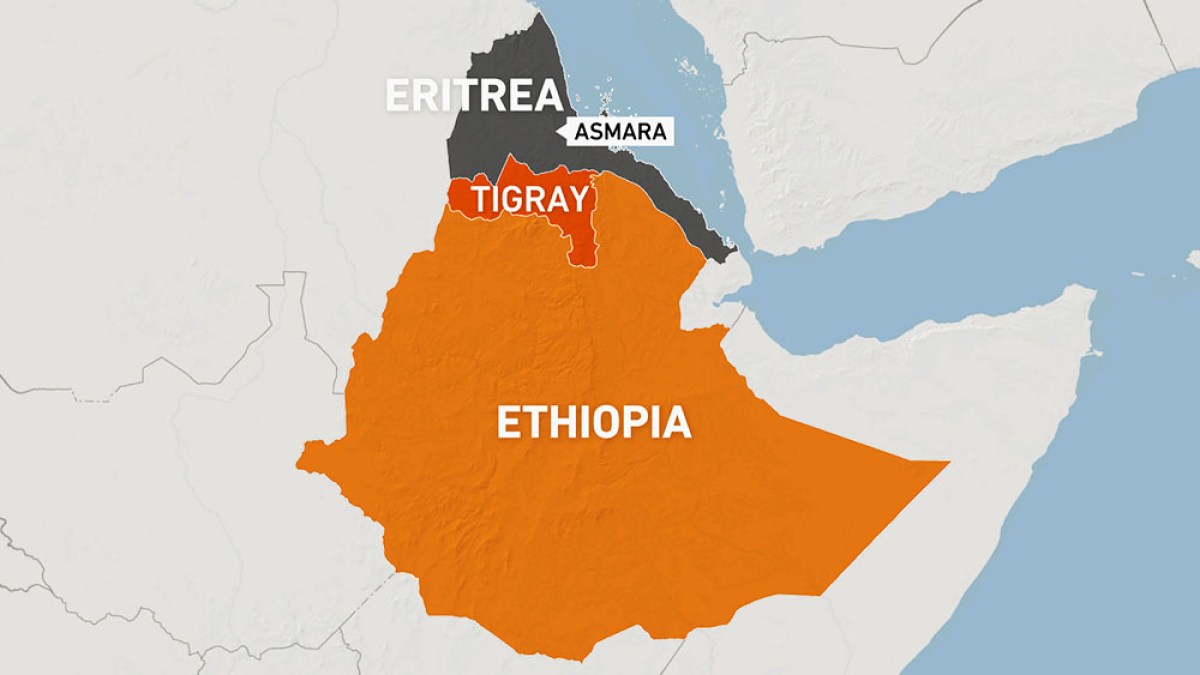
The clashes add another active front for a federal government that, as The EastAfrican reports, is again fighting a Tigray-led alliance in the north. That stretches the state's capacity to mediate a dispute between two of its own regional governments, and none of the reporting reviewed for this article describes a federal settlement process for Moyale.
For Kenya, the burden falls on one of its poorest counties. AFP reports that two-thirds of residents in the affected Kenyan county live below the poverty line, and OCHA warns that the influx could heighten tensions over limited resources. Many of the new arrivals are relatives of Kenyan Borana families, which has eased their reception so far but also ties the crisis more closely to northern Kenya's own politics.
## What to watch
The immediate question is funding. The CERF allocation covers about a third of the agencies' three-month appeal, and the planning figure of 80,000 people assumes further crossings. A second question is whether Addis Ababa, the regional governments or regional bodies such as IGAD and the African Union move to broker a ceasefire in the town. Without one, agencies expect the numbers on both sides of the border to keep rising.