In Sudan, Drones Erase the Front Line for Civilians
United Nations monitors record more than 300 civilian deaths from drone strikes in October alone, exposing how unmanned aircraft have expanded the geography of Sudan's war.
More than 300 civilians have been killed by drone strikes in Sudan in just three weeks.
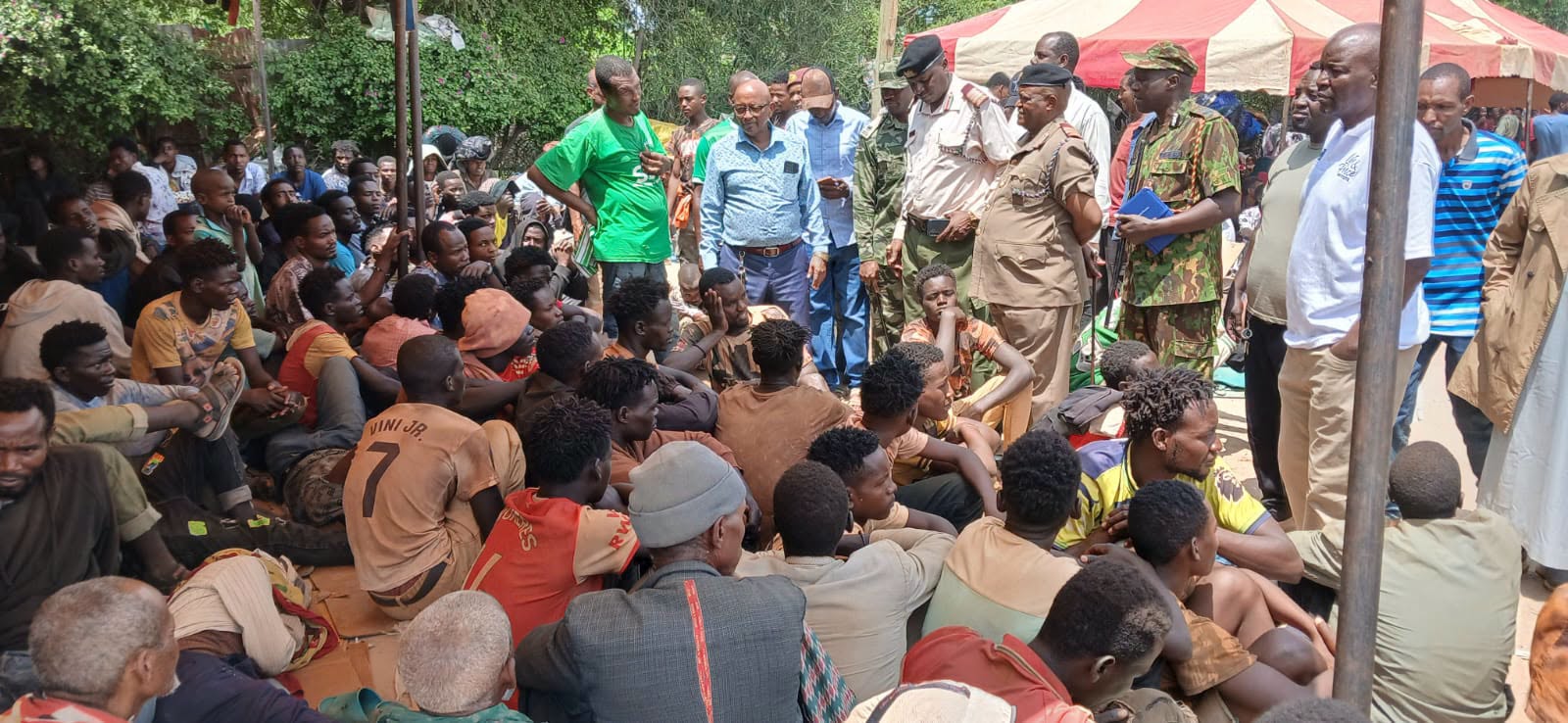
The United Nations Human Rights Office reported that at least 306 people were killed and hundreds more wounded by drone attacks during the first three weeks of October 2026 alone. The strikes fell across towns, transit routes, and makeshift settlements across the country, showing how unmanned aerial technology has expanded the geography of Sudan's war. Both the Sudanese Armed Forces and the Rapid Support Forces have deployed drones against sites where non-combatants congregate, leaving families with almost no safe ground far from active infantry fighting.
The human toll during October offers a catalog of destruction across regions that previously sat distant from direct ground clashes. On October 18, an aerial strike hit a commercial transport truck in Dibab, located in West Kordofan. According to the United Nations, at least 139 people died in what was reported as a double-tap strike, where a second blast hit people rushing to help victims of the initial impact. Days earlier, between October 6 and October 10, attacks attributed by the United Nations to the Sudanese Armed Forces struck displacement shelters in Ghubeish and El Nuhud in West Kordofan, killing at least 25 civilians, among them women and children.
Farther southeast, in Blue Nile, an October 9 drone strike attributed to the Rapid Support Forces hit displaced civilians and artisanal miners in Abu Shendi, killing dozens of people, including women and children. On October 11, another RSF-attributed strike landed on Um Darfa hospital in Blue Nile, severely injuring health workers and reportedly forcing the hospital out of operation. Across South Kordofan, artisanal workers faced similar aerial bombardment. The United Nations documented RSF-attributed drone attacks on the Bajaun gold-mining area on October 9 and October 16, leaving 42 civilians dead and 25 others wounded.
Urban centers and regional hubs have seen routine strikes. In Khartoum, drones have repeatedly hit residential neighborhoods and areas surrounding Khartoum airport, killing children in their homes. Open-air commerce has become equally hazardous. Drone strikes have hit crowded marketplaces in Nyala, Al Dabba, and towns across West Kordofan.
In the disputed Abyei region, an October drone strike on Amiet Market killed more than 150 people. The incident illustrates the difficult assessment of civilian harm in this war. The strike reportedly hit a fuel depot alleged to have been connected to RSF supply lines. While that military link remains an unverified allegation, the documented outcome was clear: dozens of civilians shopping and trading in the surrounding stalls were killed or maimed. Distinguishing whether a civilian facility was deliberately targeted, whether an alleged military target was located near civilians, or whether evidence suggests civilians were intentionally attacked remains a central challenge for investigators.
The long reach of aerial warfare
The October surge follows months of mounting aerial violence. United Nations records document that drone strikes killed at least 880 civilians between January and April 2026 alone. During those four months, drone operations accounted for more than 80 percent of all documented conflict-related civilian deaths across Sudan.
Throughout 2026, documented attacks have followed a distinct pattern. They have landed on residential neighborhoods, market squares, refugee and displacement camps, hospitals, transport hubs, and critical public utilities, including water and electricity installations. In several instances, responsibility remains fiercely contested between the Sudanese Armed Forces and the Rapid Support Forces, with each side routinely denying strikes or attributing civilian casualties to opposing forces.
This sustained barrage forces a central question: Is Sudan's war becoming a drone war in which civilians increasingly have nowhere that can be considered safely behind the front line?
Before the widespread adoption of armed drones, combatants relied primarily on localized artillery duels, unguided aerial bombardment, and ground infantry raids. Civilians could attempt to flee active combat zones by heading to remote rural villages, trading centers, or neighboring states. Armed drones have eliminated those spatial buffers by allowing both sides to strike areas far beyond conventional front lines. Unmanned systems permit operators to loiter over markets, transit corridors, gold mines, and clinics, delivering munitions without deploying ground troops.
Both warring factions have drawn scrutiny over where they obtain their unmanned aircraft. Tracking these weapons requires distinguishing between confirmed transfers, formal United Nations findings, intelligence assessments, and accusations traded by the warring parties. While each faction routinely accuses foreign suppliers of providing advanced drone models to its rival, verified supply chains and specific models remain subject to ongoing independent verification.
International humanitarian law draws clear lines between deliberate attacks on civilians, strikes on military objectives near civilians, and indiscriminate bombardment. Yet the reality across Sudan in October shows those distinctions eroding under constant aerial fire. For families living in displacement shelters in West Kordofan, gold miners in South Kordofan, and traders gathered at Amiet Market, the skies offer no advance warning.