One Life, Eight Second Chances: The Story of a 22-Year-Old South Korean Woman Who Saved Eight Lives Through Organ Donation
Jeon Su-yeon dreamed of becoming a nurse and spending more time with her family. After suddenly collapsing and being declared brain-dead, the 22-year-old's final act of generosity gave eight people a chance to live. Her story is a moving reminder of the human impact of organ donation.
A young life ended unexpectedly
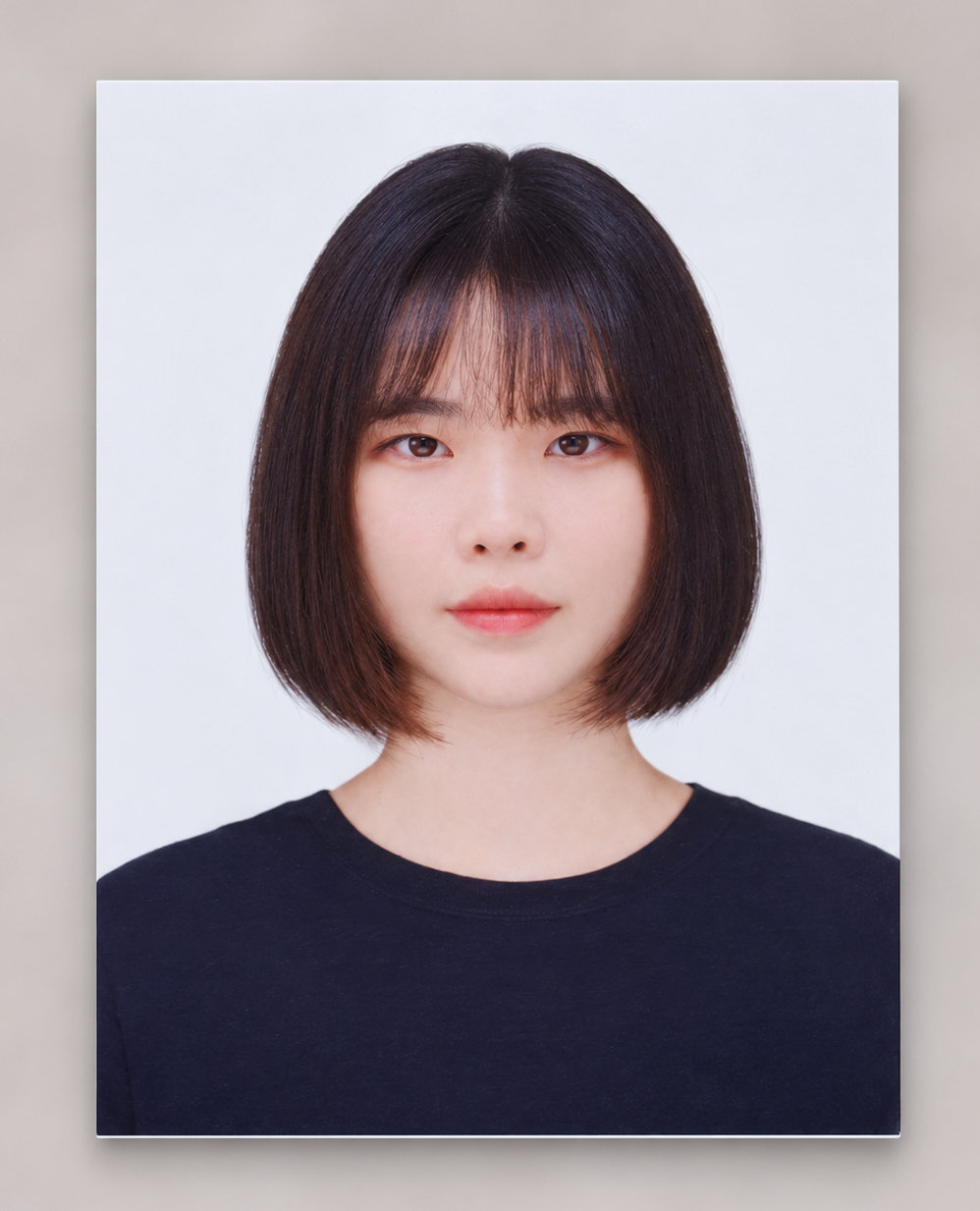
At 22, Jeon Su-yeon still had much of her life ahead of her.
She dreamed of becoming a nurse, travelling around South Korea with her mother and one day walking down the aisle with her father. She had plans to continue her education, build a career and experience the ordinary milestones that many young people take for granted.
But those plans came to an unexpected end.
According to the Korea Organ Donation Agency, Jeon suddenly collapsed and was rushed to hospital. Despite medical intervention, she never regained consciousness and was eventually declared brain-dead.
In February 2026, at Chonnam National University Hospital, her family made a decision that would give eight other people an opportunity to continue living.
They agreed to donate her organs.
Jeon's heart, lungs, liver, both kidneys and both eyes were donated for transplantation, helping eight people. She also donated skin tissue.
The announcement was made publicly on November 5, eight months after the donation took place. Her family had taken time to process their loss before agreeing to share her story.
A daughter who put her family first
Behind the remarkable donation was a young woman whose life had been shaped by her concern for others.
Jeon was the youngest daughter in her family. Her older sister, just one year her senior, had struggled with illness since childhood.
Growing up alongside her sister's health challenges, Jeon developed a habit of putting her family's needs ahead of her own. Her mother recalled that she often gave up things she wanted rather than create additional burdens for the family.
Her mother, Jeong Yeong-sun, described her daughter as someone who had grown up earlier than most because of her sister's illness.
She was not simply a daughter, but also a source of strength and someone her mother could confide in.
The relationship helps explain why the family remembers Jeon as someone who consistently put other people first.
It also gives her final act of generosity a particularly personal meaning.
The dream of becoming a nurse
Jeon's ambitions were closely connected to helping people.
She was talented with her hands and had developed several practical skills. During her school years, she learned baking and eventually obtained a national cosmetology licence.
More recently, she had been preparing to obtain a nursing assistant certificate.
Her longer-term ambition was to save enough money to attend college and become a nurse.
It was a dream that would have allowed her to care for people professionally.
Although she never had the opportunity to realise that ambition, her family's decision meant that her final contribution would be directly connected to saving lives.
Lee Sam-yeol, president of the Korea Organ Donation Agency, highlighted this contrast, noting that although Jeon could not fully realise her dream of caring for the sick, she gave hope to eight people through organ donation.
A family's decision in the middle of grief
Agreeing to donate the organs of a loved one is an extraordinarily difficult decision, particularly when that person dies unexpectedly.
For Jeon's parents, the decision was made easier by something their daughter had previously told them.
She had repeatedly expressed her wish to donate her organs if anything happened to her.
Her parents remembered those conversations when they were confronted with the reality of her brain death.
They found some comfort in imagining that their daughter's heart might continue beating inside another person's body and that someone else might see the world through her eyes.
The donation did not erase their loss. It gave their grief a different dimension: the knowledge that other families would have more time with people they might otherwise have lost.
Her mother's decision to share the story eight months later was also deliberate. The family wanted the significance of their daughter's final gift to be remembered.
The things she never got to do
Perhaps the most heartbreaking part of Jeon's story is not simply that she died young, but how many ordinary experiences she had hoped to share with her family.
She had promised her mother that they would travel around South Korea together. They had discussed the idea but never settled on a date or made concrete arrangements.
She also imagined her wedding day.
Her father had always been protective and caring towards her. She would remind him that he needed to live a long life because she wanted him to walk her down the aisle when she eventually married.
Those conversations now carry a different meaning for her parents.
Her mother left her daughter a final message, wishing that she would no longer experience pain and could enjoy the things she never had the opportunity to do in life.
She also told her not to worry about her sister or her parents, ending with a simple expression of love and gratitude for having been her daughter.
It is a deeply personal farewell from a family that has lost someone whose future was still unfolding.
Why organ donation matters
Beyond the individual tragedy, Jeon's story draws attention to the importance of organ donation.
Organ transplantation can provide life-saving treatment for people suffering from severe organ failure. For patients waiting for suitable donors, transplantation can mean the difference between continued medical deterioration and the possibility of a longer life.
Yet the availability of donated organs remains a major challenge for healthcare systems around the world.
The process depends on medical suitability, compatibility, the availability of specialised transplant facilities and the willingness of individuals or their families to participate in donation programmes.
South Korea's organ donation system, like those in other countries, relies on public awareness, medical coordination and the difficult conversations families sometimes need to have about organ donation.
Jeon's case also highlights an important distinction: organ donation is not simply a medical procedure. It is often a decision made by families at one of the most painful moments of their lives.
Her parents chose to honour a wish their daughter had expressed while she was alive.
That decision created opportunities for eight people and their families.
A legacy beyond her 22 years
Jeon Su-yeon did not become the nurse she had hoped to be. She never travelled around the country with her mother or experienced the wedding she had imagined.
But her story has become an example of how one person's wishes can have consequences far beyond their own lifetime.
Eight people received a chance at life through her donation. Her family, meanwhile, has had to find a way to live with an absence that no act of generosity can fully repair.
There is something profound about the contrast.
A young woman who spent much of her life putting her family first left behind a final gift that extended beyond her immediate circle. Her parents transformed an unimaginable loss into an opportunity for other families to keep their loved ones.
Her story is not a suggestion that every family should make the same decision, nor should organ donation ever be treated as an obligation. It is a reminder of the importance of respecting people's wishes and having conversations about donation before a crisis occurs.
At 22, Jeon had hoped to spend her life caring for others.
In the end, she gave eight people the opportunity to continue theirs.