Paraguay ousted Peña over Ueno Bank. The guarantee fund cannot finish the job
The Senate removed President Santiago Peña after Ueno Bank’s collapse froze millions of accounts and exposed his ties to the lender. Pedro Alliana has taken over and Peña is in pretrial detention; small deposits are being repaid, but large public and pension placements sit above the legal cap.
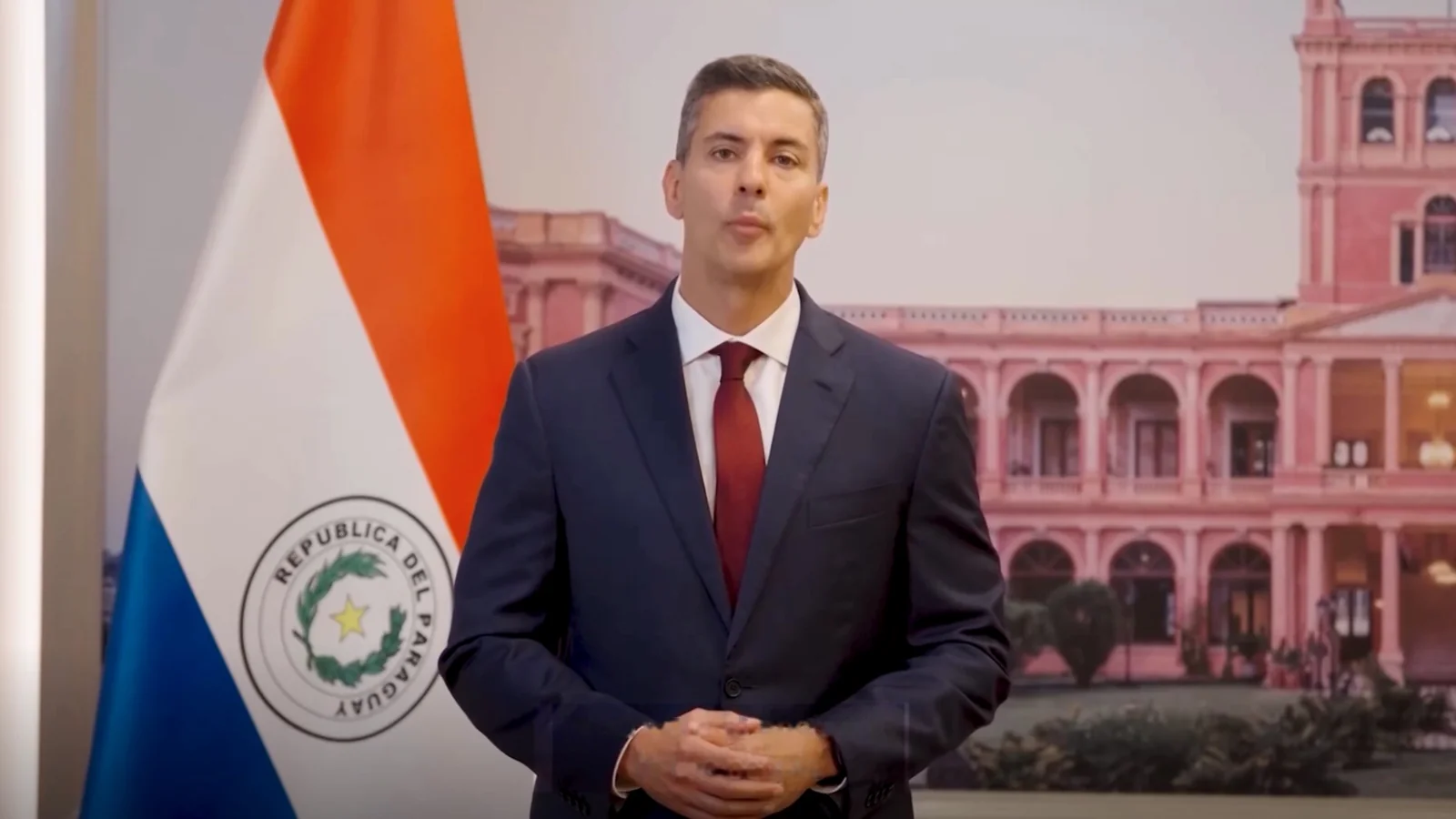
Paraguay’s Senate did not linger over a sitting president once a popular digital bank had frozen the savings of millions. On Friday 6 November, all 44 senators present—one member of the 45-seat chamber was absent—voted to remove Santiago Peña from office over the collapse of Ueno Bank. Vice-president Pedro Alliana was sworn in to serve until August 2028. Within a day, a judge had placed the former president in pretrial detention. Peña denies wrongdoing.
The speed of the political solution is the easy part of the story. The harder part is the money. Ueno was a young digital lender that, at the point of intervention, counted about 2.9 million customers—often described as nearly half the country’s population. The Central Bank opened a resolution procedure after the bank’s solvency ratio, following accounting adjustments, fell below half the legal minimum. Ordinary depositors are now being paid through the statutory guarantee fund. Large public and pension placements, which sit above that ceiling, are not automatically covered. That is the residual risk the new government has inherited.
A resignation the Congress would not take
Peña had offered to step down. Legislators refused to treat the crisis as a voluntary departure. Acceptance of a resignation, local reporting noted, could have left him as a senator-for-life with the immunity that office confers. The Chamber of Deputies instead voted 78–0 on 5 November to impeach him; the Senate the next day found him guilty of poor performance in office—Senate president Basilio Núñez called it “dereliction of duty.” Impeachment charges summarised in first-tier reporting included conflicts of interest, manipulation of regulatory oversight, the diversion of pension funds and an alleged cover-up involving the central bank. Those are accusations that justified removal under the constitution. They are not, by themselves, criminal convictions.
The criminal case is narrower and still at an early stage. Prosecutors have charged Peña with breach of trust and administration for personal gain, alleging that he used his office in connection with the placement and retention of public and pension funds at an institution tied to a business group in which he had held shares. In his 2023 asset declaration he listed a stake in Ueno Holding, later sold in March 2025. He had also appointed Carlos Carvallo, who had led Ueno, to run the Central Bank. Carvallo has been charged with breach of trust and with producing a false public document, and is also in pretrial detention. Eight former bank executives have been detained. Peña’s lawyer, Ricardo Preda, has called the accusation against his client reckless and argued that the former president did not run the bank’s operations. In a resignation video, Peña said it had never been his intention “to betray the trust you placed in me.”
From house arrest to a barracks, then the searches
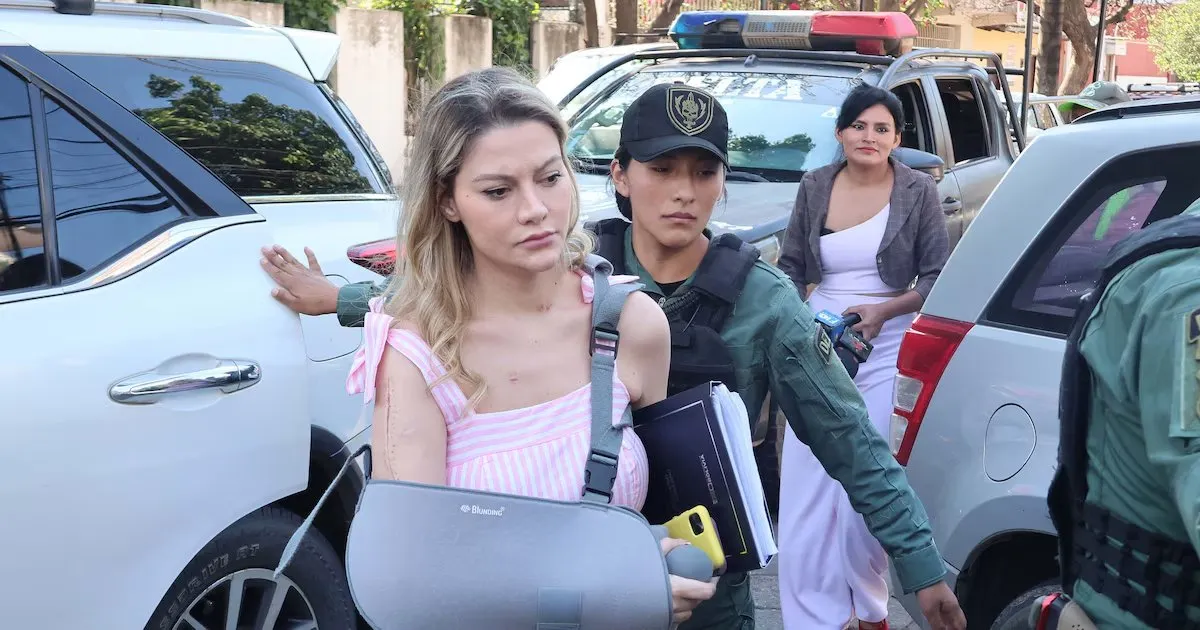
The detention sequence was messier than the Senate vote. An initial house-arrest order on Friday provoked protests outside Peña’s home; he was moved that night to the Regimiento Escolta Presidencial, the army unit that protects presidents and former presidents. On Saturday, Judge Humberto Otazú ordered pretrial detention at the same regiment, saying it was needed to ensure Peña’s submission to the process. Local reporting described relatively loose conditions: a room rather than a barred cell, visits, and use of a telephone.
Investigators have since gone into his properties. A search of a residence in San Bernardino turned up a complex vault that, as of early this week, had not yet been opened. On Monday 9 November, prosecutors spent almost five hours at his home in Asunción, seizing documents, mobile phones, closed-circuit recordings, tablets and computers, according to DW’s account of the operation, which quoted prosecutor Elena Fiore. The public ministry also searched Ueno premises and Carvallo’s residence. At a press conference the same day, prosecutors said they were seeking cooperation from Luxembourg, Argentina and the United States to locate and recover assets. Documents on investments, they said, were the basis for a request that Luxembourg help freeze crypto-assets. That is a request for assistance, not evidence that any such assets have been frozen, or that they have been shown to belong to Peña.
The cap that protects households—and stops short of the state
By law, Paraguay’s deposit guarantee covers up to 75 monthly minimum wages: 228.3 million guaraníes per natural or legal person, and per institution, applied to a holder’s total deposits rather than to each account. At the Central Bank’s reference rate of 6,226.21 guaraníes to the dollar on 9 November, that ceiling is about $36,700. The first payments went to the smallest balances, up to 10 million guaraníes, or about $1,600. On 10 November, José Maciel, who heads the guarantee fund, said 93.1 per cent of the 1.74 million payable guaranteed accounts then on the books had received disbursements totalling 2.126 trillion guaraníes, about $340 million. The earlier figure of 2.9 million customers included empty, duplicate and indebted accounts that were later excluded from the payable list.
The fund is doing what it was built to do for ordinary savers. It was not built to absorb the public sector. Itaipú has said it had more than $163 million at Ueno and has gone to prosecutors to try to recover it. Investigators have been reported as finding more than $230 million from state bodies as of September. The social-security institute has said that some 32,000 retirees who were paid through Ueno will be moved to other institutions and that pension payments will be made on schedule. That addresses monthly benefits. It does not automatically recover institutional pension reserves or other official deposits that exceed the guarantee. Some reporting has put a broader total of state placements near $800 million; that larger figure has not been presented as an audited Central Bank total in the official communiqués reviewed for this article, and should be treated with caution until it is.
Alliana has promised that those “going through a difficult time as a result of the financial collapse will be fully compensated.” The Colorado Party, which still dominates the state, moved quickly to sacrifice the president and to block a parallel impeachment of his deputy. The depositors who held modest balances are already being made substantially whole. The governments, utilities and pension vehicles that treated a politically connected digital bank as a safe place for large sums are in a different queue. That is where the next political argument in Asunción will be fought.