Moyale Burns Again: Why a Border Flag Sparked Ethiopia’s Oldest Unresolved Rivalry
Renewed clashes between Oromo and Somali regional forces in Moyale have driven thousands across the Kenyan border, exposing unresolved territorial fractures eight years after Abiy Ahmed took office.
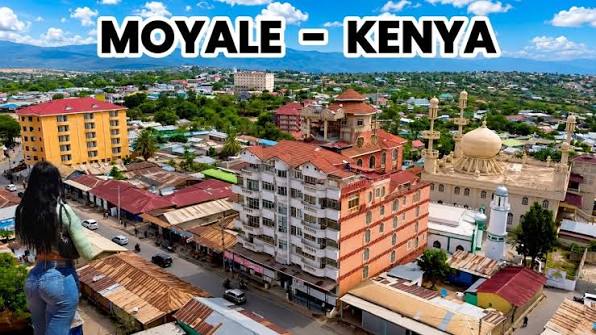
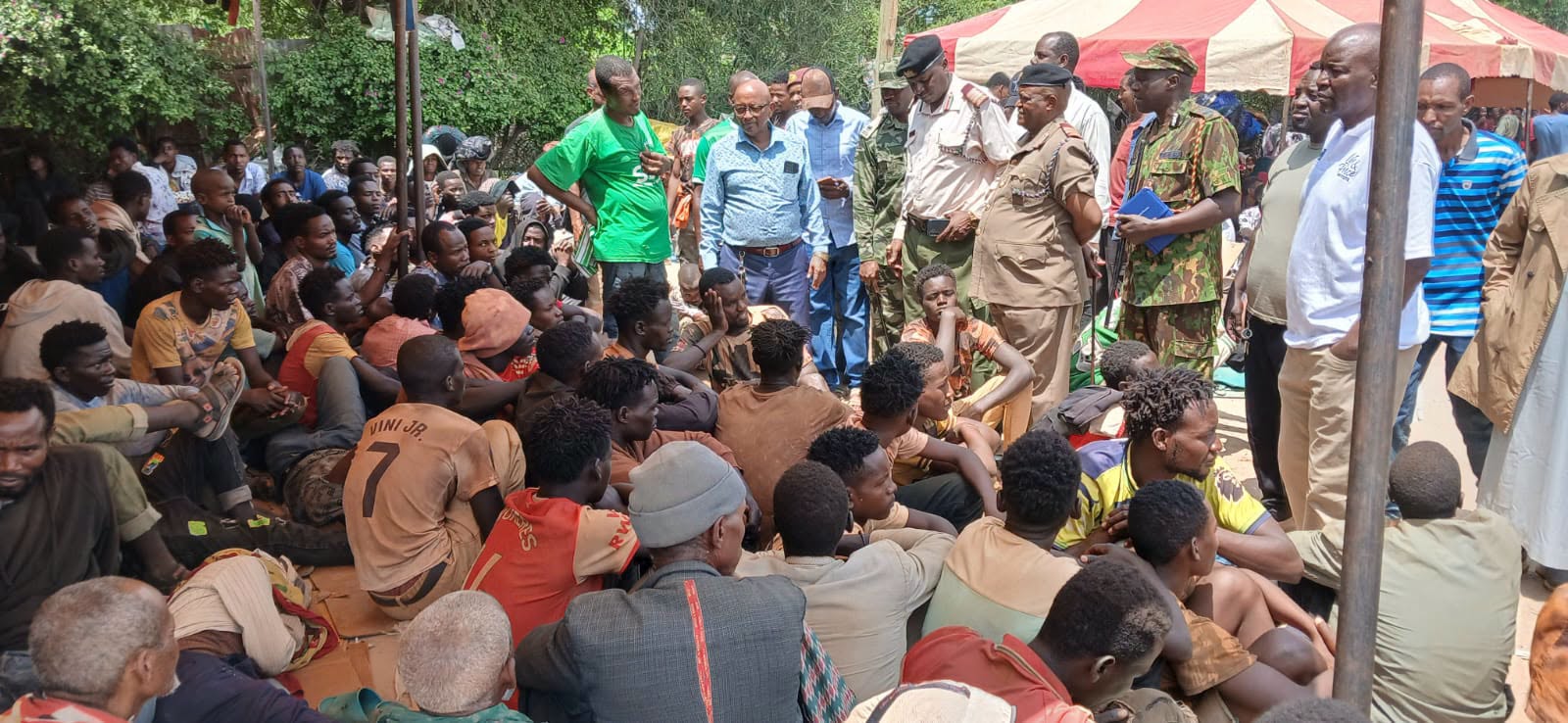
Heavy weapons fire has echoed through Moyale, the divided border town sitting along the frontier between southern Ethiopia and northern Kenya. Reports from Reuters and the Associated Press describe days of armed clashes between Oromo and Somali communities alongside regional forces, leaving dead and injured on both sides. Across the international boundary, thousands of civilians—mostly women and children—have fled into Kenya to escape artillery and gunfire.
The immediate trigger, according to local accounts, was an attempt to hoist the flag of the Somali Regional State inside territory administered or claimed by the neighboring Oromia region. Independent verification remains difficult amid disrupted communications and active combat, leaving official claims contested. Yet the swift escalation from a symbolic standoff over cloth and colors to full-scale armed combat demonstrates that Moyale's crisis is not an isolated incident about local pride.
To understand why a flag can detonate a town, one must look at the mechanics of Ethiopia’s federal model. The country is organized into ethnic-based regional states whose internal borders determine administrative control, budget allocations, language rights, and land ownership. In contested frontier zones, displaying a regional flag is rarely a neutral act. It functions as an assertion of state sovereignty and territorial possession.
Moyale has long been one of the most volatile flashpoints of this system. Both Oromia, the country’s largest and most populous region, and the Somali Region lay claim to parts of the town and the surrounding trade corridors. For decades, local pastoralist competition over grazing routes and watering holes merged with political competition over municipal authority. Previous rounds of violence repeatedly destroyed local markets and displaced residents, entrenching grievances across generations.
The friction intensified sharply between 2017 and 2018. During that period, hundreds of people were killed and more than a million civilians were displaced along the nearly 1,500-kilometer boundary separating Oromia and the Somali Region. Central to that fighting was the Somali Region’s Liyu Police, a heavily armed regional paramilitary force established under then-Somali regional president Abdi Mohamoud Omar, widely known as Abdi Iley. Human-rights reporting and documentation by groups such as the International Crisis Group detailed how the Liyu Police raided communities deep inside Oromia, triggering retaliatory attacks against ethnic Somalis living across the boundary.
Those 2017–2018 border clashes took place against the backdrop of a larger national political earthquake. Beginning in 2015, sustained mass street protests across Oromia had paralyzed the country and shaken the Ethiopian People’s Revolutionary Democratic Front (EPRDF), the coalition that had ruled Ethiopia with an iron fist since 1991. The protests eroded the authority of the Tigray People's Liberation Front (TPLF), which had long dominated the ruling coalition’s military and intelligence apparatus.
Within that high-stakes transition, the Oromo Peoples' Democratic Organization (OPDO)—the Oromo wing of the EPRDF—saw an opportunity to reposition itself. OPDO leaders aligned themselves with popular Oromo demands against the federal center. Abiy Ahmed, then a rising OPDO politician, emerged as a central figure in this internal realignment.
Analysts and political opponents have frequently debated how the Oromo–Somali conflict factored into this power shift. Some political critics argued that OPDO figures seized upon the violence along the Somali border to rally ethnic Oromo solidarity, frame the federal security apparatus as complicit in atrocities, and accelerate the collapse of the EPRDF old guard. The narrative of an Oromo population under siege from Abdi Iley’s Liyu Police helped consolidate regional unity behind the OPDO leadership.
Yet the evidence complicates any neat claim that Abiy or his faction simply orchestrated or used the conflict as an instrument for power. The boundary disputes and communal friction had existed for decades before the 2015 protests began, driven by resource pressures, local border delineations, and historical administrative decisions. Furthermore, Abdi Iley had his own autonomous power base and close ties to federal security chiefs in Addis Ababa, acting often to secure his regional dominance rather than responding to OPDO maneuvering. While Abiy’s political base undeniably benefited from the broader upheaval that swept the old EPRDF leadership aside, the Oromo–Somali clashes were also a symptom of a collapsing political order that threatened to tear the federation apart entirely.
When Abiy was named prime minister in early 2018, his administration moved swiftly to arrest Abdi Iley and promised sweeping political reforms, institutional overhaul, and national reconciliation. The removal of the Somali regional leader brought a temporary lull to the worst excesses of the Liyu Police along the border.
Yet eight years later, the same question returns with lethal force: If Oromo–Somali tensions were part of the political crisis that reshaped Ethiopia and helped create the conditions for Abiy Ahmed's rise in 2018, why are the same fault lines still exploding into violence eight years later?
The answer lies in the unresolved status of the border itself. Despite federal promises of administrative reform and legal resolution, the underlying borders separating Oromia and the Somali Region around Moyale remain ambiguously settled and fiercely defended on the ground. Devolution of authority without definitive boundary demarcations has left local communities armed and vigilant. Regional paramilitaries, established ostensibly for local security, continue to back ethnic claims with state-issued weapons.
As Kenyan authorities prepare for a protracted influx of refugees across the border, the fighting in Moyale demonstrates that political transitions at the top in Addis Ababa have not dissolved the structural dilemmas of ethnic federalism. Until the administrative borders are conclusively resolved and regional security forces demobilized from local turf disputes, a single regional flag hoisted on a disputed street will remain enough to trigger war.