African negotiators press for grants and direct access before COP31 opens
African climate negotiators are demanding funding that does not deepen debt as COP31 prepares to open in Antalya on Monday. A UNHCR warning about nearly 90 million displaced people living in climate-exposed countries puts a sharper question before the talks: who actually receives the money?
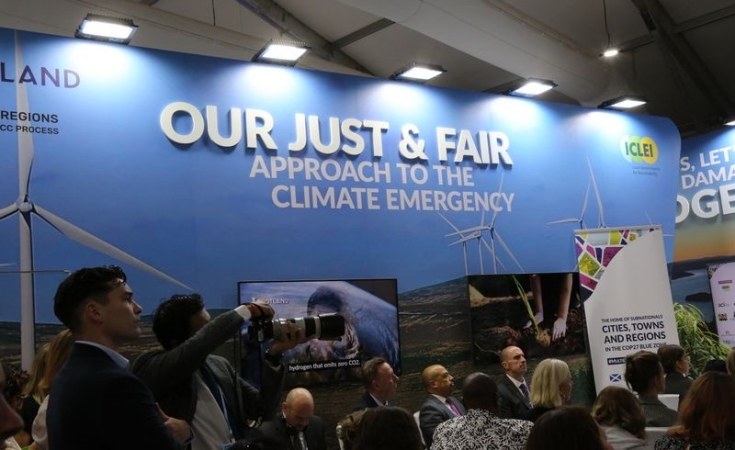
African climate negotiators are approaching COP31 with a demand that goes beyond larger funding promises: more grants, simpler access and financing terms that do not add to countries’ debt burdens. The conference opens in Antalya, Türkiye, on Monday, 9 November, and is scheduled to run until 20 November; its formal negotiations have not yet begun.
The position is set out by African Group of Negotiators chair Nana Antwi-Boasiako Amoah in a 4 November commentary co-authored with policy specialist Charles Wanguhu for Climate Home News. They call for predictable, grant-based finance, direct access for institutions and communities, and mechanisms to track delivery. This is a statement of negotiating priorities, not a financing agreement reached at Antalya.
The terms matter as much as the total
A formal 2026 submission by Ghana on behalf of the African Group to the UN climate process supplies a narrower but concrete foundation for that position. Addressing water and ocean resilience, it calls for grant-based and highly concessional public finance, stronger direct access and simpler procedures. Multilateral development banks and private finance should complement, rather than replace, affordable public adaptation finance, it says, with support designed not to induce debt.
The group’s technical support organisation, AGNES, also identifies predictable, accessible funding that avoids deeper debt vulnerability as a central conclusion of its October preparation meeting in Nairobi. Together, these documents show coordinated priorities. They do not establish that every African government has identical preferences on every negotiating issue.
Debt relief is part of the political argument surrounding those demands. MyJoyOnline’s 5 November account of an African negotiating-group plenary links the push for direct, non-debt finance to sovereign debt relief. The public group submission examined for this article supports preserving fiscal space, but does not set out a continent-wide debt-cancellation package for COP31. That distinction matters: replacing a prospective loan with a grant and restructuring an existing debt are different operations.
What the existing finance goal does—and does not—promise
The finance decision agreed at Baku sets a goal of at least $300 billion annually by 2035 for developing countries, with developed countries taking the lead. It draws on public and private, bilateral and multilateral sources. It separately calls on all actors to help scale overall flows to at least $1.3 trillion a year by 2035. Neither figure represents money already paid out, nor is either an Africa-only allocation.
The decision already recognises the need for grants and highly concessional resources, particularly for adaptation and loss and damage, and calls for improved direct access. The African challenge is therefore partly about implementation of language already negotiated: whether the mix of instruments, access rules and disbursement schedules reflects that recognition.
Grants need not generate a financial return for a lender. Commercial investment usually does. That difference makes the composition of finance especially consequential for public services such as flood protection and early warning systems, where the benefit is avoided harm rather than a readily collectable revenue stream.
Displacement makes access a protection question
UNHCR said on 6 November that nearly 90 million forcibly displaced people—about three in four globally—were living in countries with high to extreme exposure to climate-related hazards by mid-2026. This is a measure of where already displaced people live. It is not a count of people displaced by climate change, and it is not confined to Africa.
The agency is asking governments and climate funds to include displaced people in national plans and financing, and to invest for the long term in fragile and displacement-affected areas. It says fragile and conflict-affected countries receive only around 10 per cent of global climate finance. Its warning places the distribution of funding alongside the headline totals: even an expanding pool can miss communities with the weakest access to institutions and investment.
The test awaiting Antalya
A donor–Global South confrontation over grants, lending and access is a risk to watch, not an outcome that can be reported before the conference opens. The sources examined do not establish a single agreed donor response to the African demands.
The useful test will be whether negotiations produce clearer delivery arrangements: who provides public resources, which institutions can receive them, on what terms, and how approval becomes disbursement. For African negotiators and displaced communities, another aggregate target without answers to those questions would leave the central financing problem unresolved.