The Trust Deficit in India’s Kitchens: Inside the Structural Crisis of Food Safety
A vast agricultural powerhouse grapples with contaminated supply chains, regulatory shortfalls, and the economic pressures that push adulterated goods onto everyday tables.
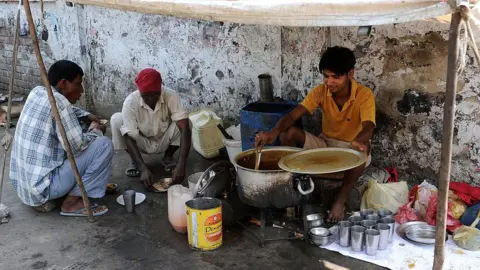
India feeds over 1.4 billion people and operates as an agricultural heavyweight, yet its domestic food system remains caught in a deepening crisis of confidence. From everyday kitchen staples like milk, edible oils, and ground spices to fresh produce and expanding shelves of packaged consumer goods, consumers face recurring contamination risks. The central paradox of this massive food economy is straightforward: how did one of the world's largest food producers become so difficult for ordinary citizens to trust?
Answering that question requires looking beyond isolated scandals and separating verified laboratory findings from sensational internet rumors. While viral social media videos periodically claim that plastic cabbage, synthetic eggs, or artificial rice have flooded neighborhood bazaars, laboratory testing repeatedly reveals such viral panics to be unfounded. The real, documented threats are less cinematic but far more dangerous. They stem from chronic chemical residues, intentional adulteration driven by wafer-thin profit margins, and widespread microbial contamination.
Documented Failures Across the Value Chain
Official evaluations and laboratory testing across several Indian states demonstrate that food adulteration is neither an isolated anomaly nor an absolute constant, but a persistent structural hazard. Milk, the dietary cornerstone for hundreds of millions of households, regularly records non-compliance during nationwide sampling drives. Documented violations range from routine dilution with contaminated water to the addition of detergent, urea, starch, and neutralizers used to artificially mimic natural fat and protein readings.
Spices and condiments—commodities where India commands global prestige—have faced severe domestic and international scrutiny. Regulatory warnings and export recalls in multiple jurisdictions have detected ethylene oxide residues and adulterants like industrial dyes in ground chili, turmeric, and spice blends. In edible oils, cheaper oils and toxic non-edible adulterants continue to appear during targeted market inspections. Fruits and vegetables regularly test positive for unauthorized ripening agents, including calcium carbide, alongside organophosphate and carbamate pesticide residues that exceed maximum residue limits. Meanwhile, poultry and livestock supply chains show documented evidence of excessive antibiotic residues, accelerating antimicrobial resistance risks across the population.
Microbial contamination remains the most acute day-to-day threat. Pathogens including salmonella, E. coli, and coliform bacteria are frequently detected in drinking water, fresh produce, and informal food stalls, driving high rates of preventable gastrointestinal illness. Heavy metals, particularly lead and cadmium from contaminated irrigation water and industrial runoff, also enter root vegetables and leafy greens before reaching wholesale mandis.
Street Stalls and Packaged Aisles
Public discourse often draws a sharp line between unregulated street food and formal packaged goods, treating the former as perilous and the latter as safe. The empirical record paints a more complicated picture. Street vendors indeed work under acute infrastructural deficits: irregular municipal water connections, absence of refrigeration, and open drainage expose prepared dishes to severe microbial loads. Yet their supply chains are often short, and food is typically cooked at high heat immediately before consumption, eliminating many vegetative pathogens.
Packaged foods avoid those specific outdoor environmental vectors, but introduce distinct hazards. Ultra-processed products have expanded swiftly into urban and rural markets alike, marketed aggressively on convenience and shelf-life. Independent public health research indicates that these products carry excessive sodium, refined sugars, and saturated fats, coupled with chemical preservatives, artificial colorings, and emulsifiers. The health implications are visible in the country's surging non-communicable disease burden, where diabetes, hypertension, and cardiovascular disorders afflict younger demographic groups across every income bracket.
The Commercial Logic of Dilution
Adulteration persists because the underlying supply chains make it financially lucrative and difficult to detect. India’s food distribution network is heavily fragmented, relying on millions of smallholder farmers, local aggregators, commission agents, regional wholesalers, and corner kirana shops. In this low-margin, high-volume environment, intermediaries operate under intense competitive pressure.
India's consumer market remains intensely price-sensitive. Low-income households spend a large share of their earnings on basic nutrition, making them vulnerable to cheaper substitutes. When input costs spike—whether due to erratic weather, transport bottlenecks, or global commodity shifts—dishonest suppliers face strong commercial incentives to dilute products, stretch bulk volumes, or swap expensive ingredients for cheaper chemical equivalents. The fragmented chain provides anonymity: by the time bulk grain, blended oil, or pooled milk reaches a retailer, tracing the contamination back to a specific batch or aggregator is nearly impossible without end-to-end digital tracking.
Enforcement Gaps at the Regulatory Level
The statutory architecture designed to prevent these outcomes is led by the Food Safety and Standards Authority of India (FSSAI) alongside state food safety commissioners. The system possesses extensive legal authority under the Food Safety and Standards Act, but enforcement capacity fails to match the scale of the market.
State food safety departments face severe understaffing. Across many jurisdictions, individual food safety officers are tasked with inspecting thousands of licensed businesses alongside vast unregistered informal operations. Laboratory infrastructure is equally constrained. India operates accredited state and regional testing facilities, but backlogs are common, turnarounds are slow, and many local testing centers lack the advanced equipment required to trace complex chemical residues, mycotoxins, or micro-contaminants. Regulatory oversight is further hampered by overlapping jurisdictions between agricultural marketing boards, municipal health bodies, and state food safety departments, creating administrative blind spots that unscrupulous operators exploit.
Global Parallels and Structural Lessons
These enforcement struggles are not unique to India, but comparative models highlight where domestic policy lags. Food safety architectures in the United States, the United Kingdom, and the European Union rely heavily on preventive, automated hazard analysis critical control point frameworks with continuous farm-to-retail traceability. While these jurisdictions still experience foodborne pathogen outbreaks, their traceability systems allow rapid targeted recalls of specific contaminated lots.
China presents an instructive parallel as a fellow large emerging economy that confronted severe food integrity crises, including industrial milk contamination scandals in prior decades. In response, Chinese authorities overhauled regulatory penalties, centralized safety apparatuses, and instituted strict supply-chain accountability for large processors. While enforcement challenges remain there as well, the transition showed that moving from reactive spot-checks to preventive traceability is essential to reversing widespread supply-chain rot.
The Road to Credible Reform
Addressing India’s food safety deficit requires systematic institutional restructuring rather than short-lived punitive drives. Public health specialists and regulatory experts point to clear priorities: modernizing and expanding public testing infrastructure so testing backlogs drop from weeks to hours; deploying field-level rapid testing kits for inspectors and aggregators; and creating mandatory digital batch tracking for high-risk staples like edible oils and milk.
Equally necessary is upgrading basic civic infrastructure for street vendors, including reliable clean tap water, municipal waste collection, and subsidized cold-storage hubs at wholesale markets. For packaged goods, introducing clear, front-of-pack interpretative nutritional labeling would empower price-sensitive consumers to recognize processed risks. Until regulatory bodies close the enforcement gap and remove the economic impunity for adulterating basic provisions, rebuilding consumer trust in the food system will remain an elusive goal.
 Analysis
Japan weighs emergency nuclear-entry exception in year-end security rewrite
 Briefing
One Life, Eight Second Chances: The Story of a 22-Year-Old South Korean Woman Who Saved Eight Lives Through Organ Donation
 Briefing