Ilhan Omar’s Father Was a Colonel in Somalia’s Army. What Do We Actually Know About His Past?
Public records and biographical accounts confirm Nur Omar Mohamed served as a colonel in the Somali National Army, but claims tying him to Siad Barre’s state atrocities lack documented evidence.
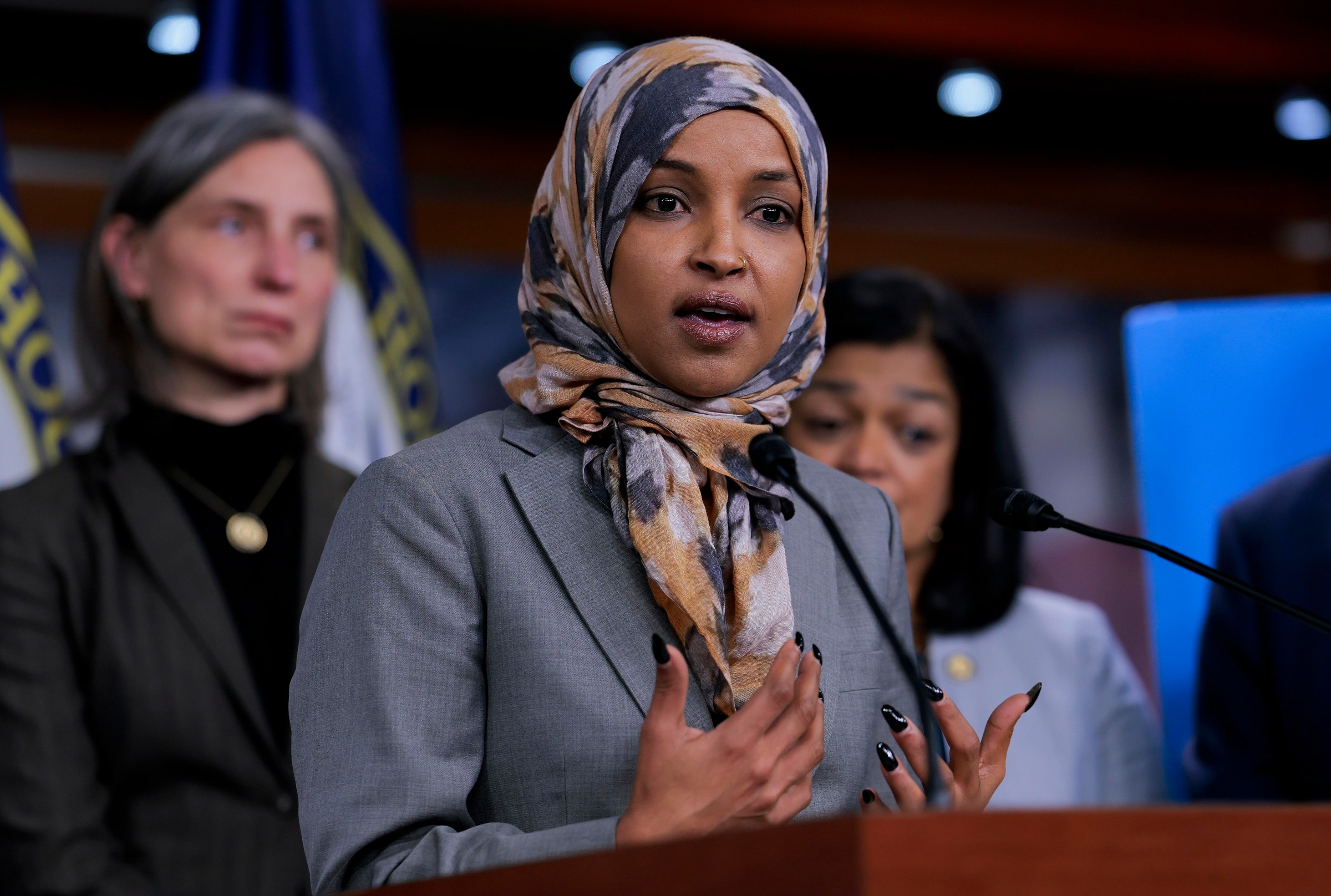
The military career of Nur Omar Mohamed, the late father of United States Representative Ilhan Omar, has periodically surfaced in political debates, partisan commentary, and digital discourse. At the center of the discussion is a documented reality: Mohamed served as an officer in the Somali National Army, holding the rank of colonel. Around that baseline fact, competing claims have proliferated, ranging from biographical summaries describing him primarily as a teacher to viral online assertions attempting to tie him directly to the human rights abuses of the Siad Barre regime.
Separating archival fact from unverified accusation requires stepping back into Somalia’s modern history, examining the institutions Mohamed served, and looking closely at what the record does—and does not—demonstrate.
The Military Path and the Ogaden Campaign
Mohamed’s service in the Somali National Army coincided with the height of the state’s conventional military strength. Modern accounts and documented profiles place him as an officer during the 1970s, including Somalia’s 1977–78 war against Ethiopia over the Ogaden region.
The Ogaden conflict was an interstate campaign driven by the government of President Mohamed Siad Barre, who sought to incorporate the Somali-inhabited region of eastern Ethiopia into a unified Somali territory. In the early stages of the offensive, Somali armed forces advanced rapidly across the border, taking control of large swathes of the desert plateau before Ethiopia, backed by a massive influx of Soviet military hardware and Cuban combat troops, reversed the gains. The defeat broke the back of the Somali military, shattered its logistical capacity, and triggered an economic and political crisis inside Mogadishu from which the regime never fully recovered.
Mohamed’s reported participation in the 1977–78 war situated him within conventional military units fighting an external cross-border conflict. Contemporary military records and histories of the war focus on mechanized formations and logistical units rather than specific field commissions for mid-level commanders, and there is no archival evidence suggesting Mohamed held a unique political command during the campaign.
The Barre State and the Road to Fragmentation
To understand the claims surrounding officers of that era, one must examine the nature of Siad Barre’s government. After seizing power in a bloodless coup in 1969, Barre established the Somali Democratic Republic under a framework of state-directed socialism, relying heavily on a professionalized military apparatus trained initially by Soviet advisers.
Following the collapse of the Ogaden campaign, the character of the Somali state shifted dramatically. Faced with internal dissent, attempted coups, and emerging regional insurgencies, Barre turned increasingly toward clannist patronage, political purges, and severe internal repression. Units of the military, intelligence organs, and specialized security formations carried out sweeping crackdowns against civilian populations, particularly in northern Somalia and within regions suspected of supporting opposition movements.
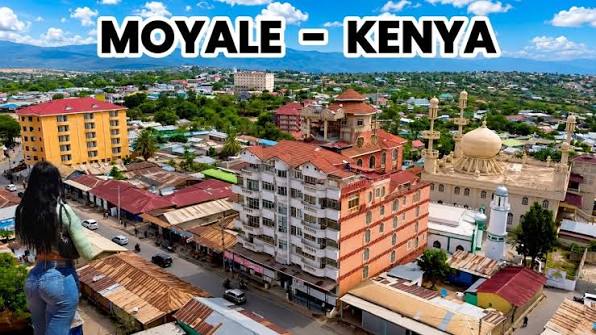
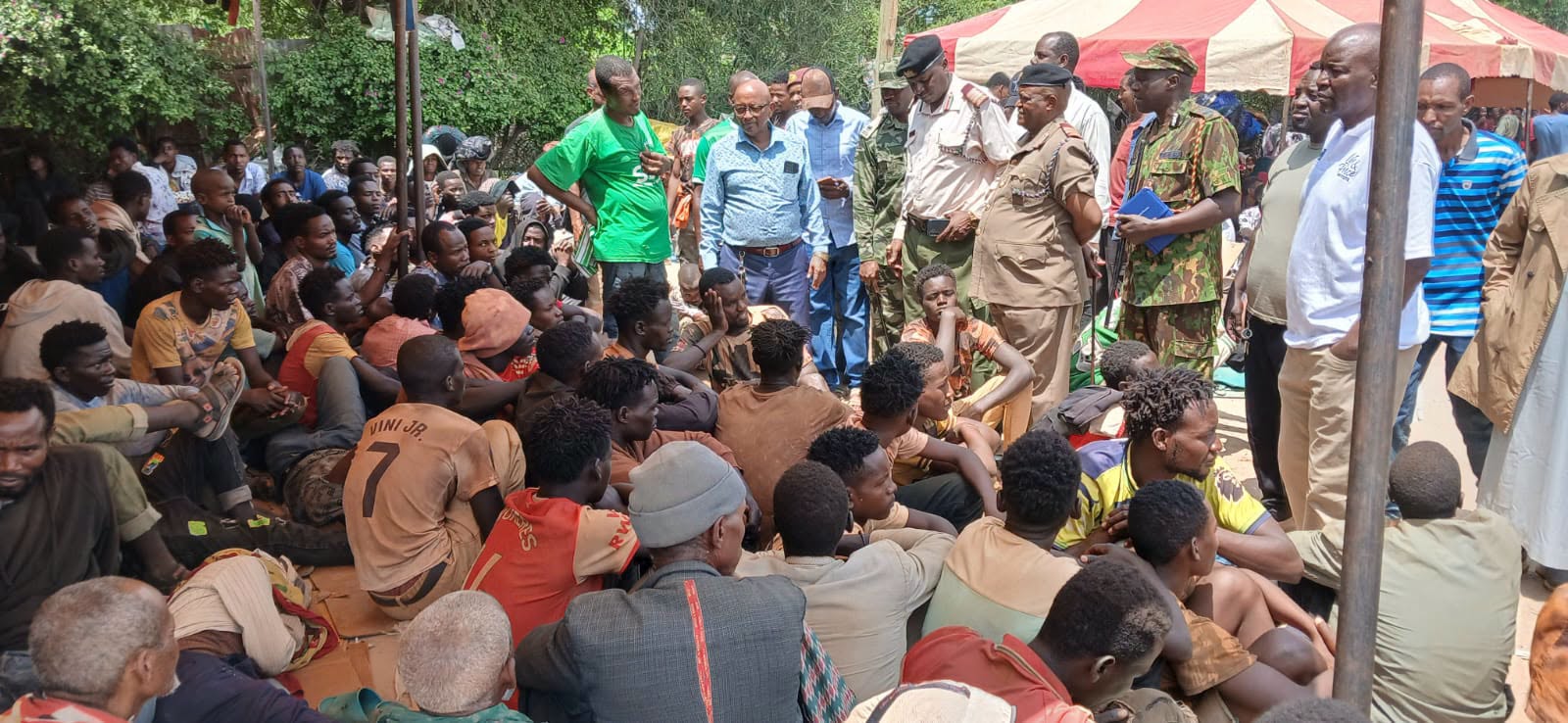
By the late 1980s, escalating internal conflicts, severe human rights abuses by state forces, and deep-seated political rivalries pushed the country into outright civil war, resulting in the overthrow of Barre’s government in 1991 and the total breakdown of central state institutions. For hundreds of thousands of Somali families, including Mohamed’s, the state’s collapse forced an exit into refugee camps across the border in Kenya before eventual resettlement abroad.
Examining the Accusations of Atrocities
In recent years, commentators and social media accounts have repeatedly attempted to link Mohamed directly to the brutal excesses of the Barre dictatorship. These posts frequently argue that his rank as a colonel makes him personally responsible for state-sponsored repression or civilian massacres during the regime’s final decade.
A rigorous review of available documentation reveals a clear divide between established facts and online inference. While Mohamed unquestionably served as an officer in an armed force that later disintegrated amid widespread state violence, there are no administrative records, war-crimes tribunals, independent investigations, or credible historical reports that name him as a perpetrator or commander of human rights abuses.
In historical analysis and international law, service in a national military is distinct from personal culpability for atrocities. Thousands of officers served within conventional Somali army structures—focusing on logistics, engineering, instruction, or border defense—separate from the specific security services and presidential strike units responsible for the regime's documented campaigns of internal terror. Inferring direct culpability based purely on military rank without specific operational evidence remains an unsupported leap.
Officer or Educator: Reading the Biographies
Another point of recurring dispute is the variation among public biographies of Mohamed. Several American media accounts and family descriptions have referred to him primarily as an educator, while others emphasize his career as a high-ranking military officer. Critics have occasionally treated these differing profiles as an intentional effort to obscure his military past.
The historical record suggests a simpler explanation: the descriptions correspond to different phases of his working life. In pre-collapse Somalia, civil and military careers frequently intersected. Officers with specialized training often served as instructors, worked in educational branches of the public sector, or transitioned between civilian administration and formal service. Following the collapse of the state and his resettlement in the United States, Mohamed worked in civilian capacities rather than maintaining ties to armed factions.
Biographical accounts that foreground his work as an educator reflect his professional and family role in the decades following the war, while accounts focusing on his military record address his service prior to the state's dissolution. The two descriptions are not mutually exclusive; they mark distinct chapters across a life interrupted by state collapse.
Sorting Fact from Speculation
Evaluating the record yields three distinct categories of information:
Firmly established: Nur Omar Mohamed was a colonel in the Somali National Army; he served during the era of the 1977–78 Ogaden War; and his family, like hundreds of thousands of others, fled Somalia when the central government collapsed into civil conflict in 1991.
Uncertain: The exact operational assignments, commands, and day-to-day administrative postings he held throughout the late 1980s remain sparsely documented in surviving public archives, a common reality given the widespread destruction of Somali state records during the fall of Mogadishu.
Unsupported: There is currently no verifiable evidence, witness testimony, or investigative documentation tying Mohamed to war crimes, civilian massacres, or the apparatus of political repression operated by the Barre government. The claims circulating online remain assertions built on association rather than historical proof.