Endato killings renew demands to protect Orthodox communities in Oromia
Local reporting says at least 34 Orthodox Christians died in an attack in Ethiopia’s Oromia region, while newer accounts give a higher total including security personnel. The killings intensify demands for protection, but casualty categories and responsibility must be distinguished from findings about earlier attacks.
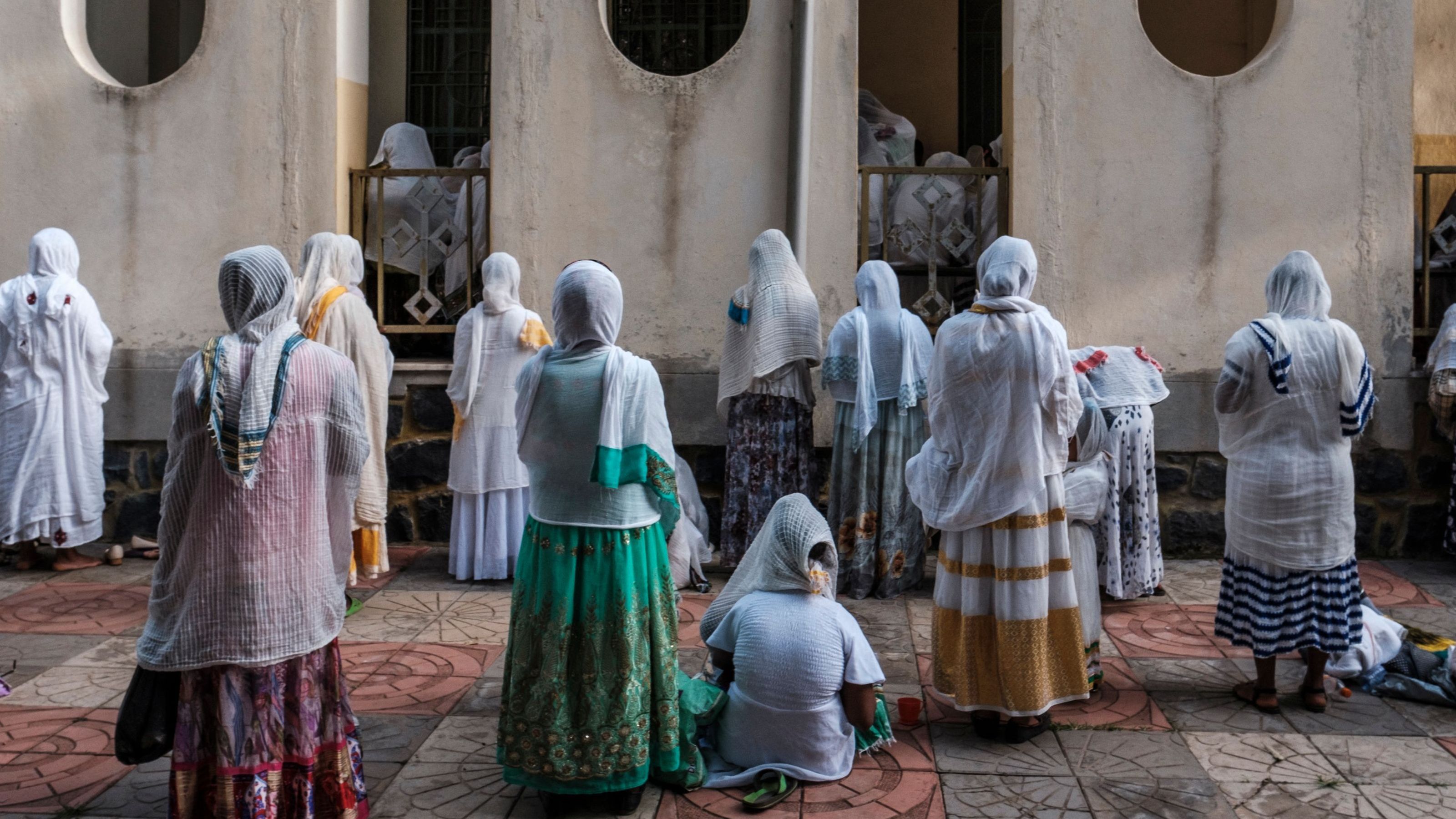
Reports that gunmen killed at least 34 Ethiopian Orthodox Christians in Endato, in Oromia’s Robe district, have renewed attention to the safety of religious communities after two deadly October attacks. The latest assault took place on Thursday, 5 November, according to Meseret Media and Anadolu, but subsequent local reporting gives a different total and describes many of the dead as militia members or police.
The Abay Times reported on Saturday that residents and relatives counted 38 deaths, including one wounded man who died on Friday. Its witnesses said 10 were civilians and the rest militia and police. These accounts have not been independently reconciled; religious affiliation and security status are different categories, not mutually exclusive descriptions of a victim.
For affected families, the immediate issues extend beyond the final count: treatment for the wounded, safety for those remaining and an investigation that distinguishes responsibility for this attack from allegations about previous violence.
What is reported about Endato
Meseret Media’s Amharic report of 5 November, citing Mahibere Kidusan Television, said the bodies of 34 Orthodox Christians had been gathered at Endato’s St Mary church. It also reported injuries, property destruction and roads blocked after the violence, hindering medical assistance. Anadolu’s 6 November report drew on that local coverage.
The Abay Times subsequently described attacks on local security positions and shots fired at gates of the church compound. Its witnesses said a priest was seriously wounded and some injured people remained without treatment until Friday. Those are reported witness accounts, not findings from a completed official investigation.
The sources do not establish that all those killed were civilians or that they were attending a worship service when attacked. Collecting bodies at a church should not be turned into an account of deaths during prayer. The presence of armed personnel among reported victims also does not diminish the obligation to investigate alleged attacks on civilians.
What the reported toll of 94 includes
Anadolu put the cumulative reported toll at at least 94 Orthodox Christians in less than three weeks. Its calculation combines the 34 reported at Endato with a church count of 60 from two separate attacks: 14 in Merti on 20 October and 46 in Shirka on 24 October. It is not a death toll for a single incident.
The earlier figures came from the Ethiopian Orthodox Tewahedo Church’s Holy Synod statement of 26 October, reproduced by Meseret Media and reported by other outlets. The Synod also described burned homes and serious injuries and demanded protection and accountability.
The 94 figure is therefore an attributed cumulative count assembled from those reports, not an independently verified register of Christian civilian deaths. The newer Endato account cannot simply be substituted into it to produce a revised religious death toll: it uses different categories and does not establish every victim’s faith.
EHRC’s findings concern the October attack
The Ethiopian Human Rights Commission’s statement, dated 3 November and updated on its website on 4 November, addresses the 24 October attack in Birbona Chole kebele, Sirka woreda—the district also rendered as Shirka. It does not investigate the subsequent Endato killings.
EHRC said its investigators visited the area, interviewed victims, relatives, witnesses, religious leaders and officials, and used digital investigation techniques. It attributed the killing of 23 kebele-level security personnel, five militia members and 13 civilians to the armed group calling itself the Oromo Liberation Army, commonly known as OLF-Shane. It attributed seven additional civilian deaths to informally armed individuals.
Those categories amount to 48 deaths across the commission’s account, not 48 independently identified Orthodox civilians. The figures should neither be added to the church’s Shirka count nor treated as an exact match for it. EHRC also documented 20 injuries, 21 burned homes and 247 displaced households, and called for an independent investigation, assistance and stronger preventive protection.
For Endato, the Abay Times reported that Oromia communication bureau head Hailu Adugna blamed “Shene”, the government’s term for the OLA. That is a government allegation about the latest attack, separate from EHRC’s findings about October. No group had claimed responsibility in the newspaper’s account, and the sources examined do not independently establish the perpetrators of the November assault.
Protection requires more than arrests
Oromia authorities said on 2 November that 73 suspects had been detained over the Shirka attack and that aid was being provided, according to the Abay Times. Residents had separately reported arrests of people who helped bury victims or assist the wounded; the official did not clarify whether those people were among the 73. Arrests establish neither guilt nor that threatened communities are now safe.
The World Council of Churches, in a 29 October statement, urged protection, impartial investigations and humanitarian assistance. It stressed that the affected Orthodox communities include people of both Amhara and Oromo backgrounds, among others. Accountability for particular armed actors should not become collective blame against an ethnic or religious population.
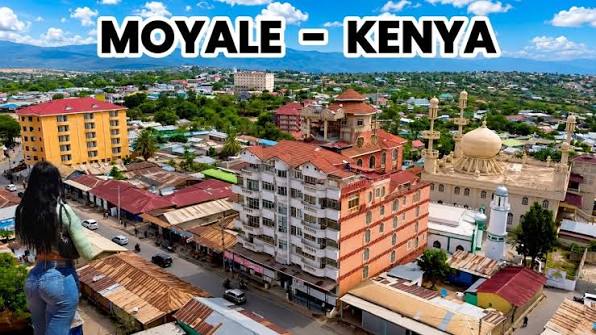
Moyale is a separate displacement emergency
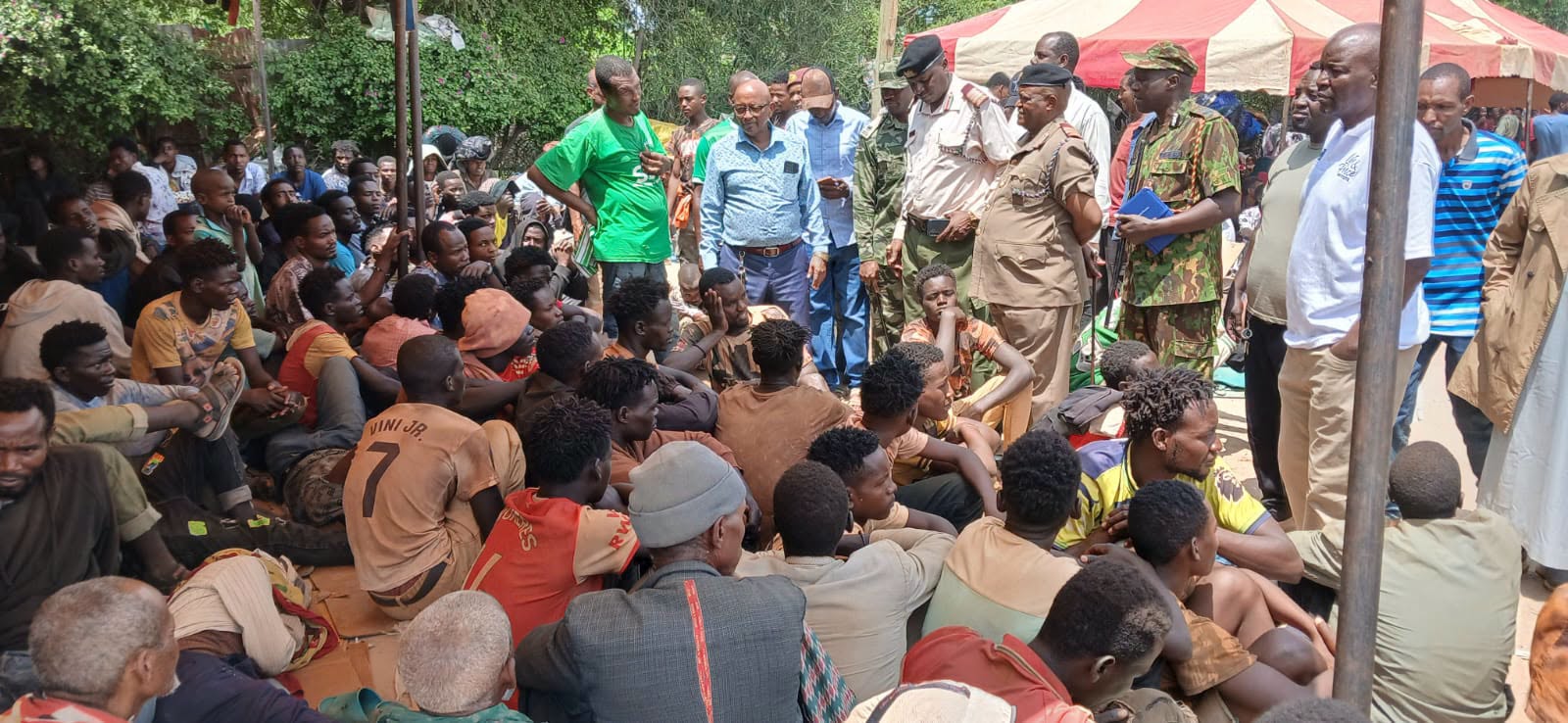
Elsewhere, clashes near Ethiopia’s border with Kenya have forced large numbers into the Moyale area. UNHCR said on 28 October that local authorities estimated up to 50,000 crossings, with registration and verification continuing. Many were women and children, and food, water, shelter and health care were urgent needs.
France 24’s AFP-based reporting linked that movement to fighting between forces of Ethiopia’s Somali and Oromia regions. Neither that account nor UNHCR’s statement establishes that those people fled the Endato attack. The border emergency illustrates wider protection needs, but should not be folded into this incident’s victims or attributed to its alleged attackers.
EHRC says it is preparing a wider investigation into recurrent attacks in the area. The practical test is whether investigations identify perpetrators and are accompanied by accessible medical care, effective warnings and protection before another attack. A cumulative death count conveys the scale of reported loss; it cannot substitute for those measures.