Gambia election: Bensouda files amid an unresolved eligibility challenge
Talib Ahmed Bensouda has submitted nomination papers for Gambia’s December 5 presidential election while appealing adverse local-government inquiry findings. The electoral commission and courts face a test of both accountability and fair ballot access, not a settled case of criminal guilt.
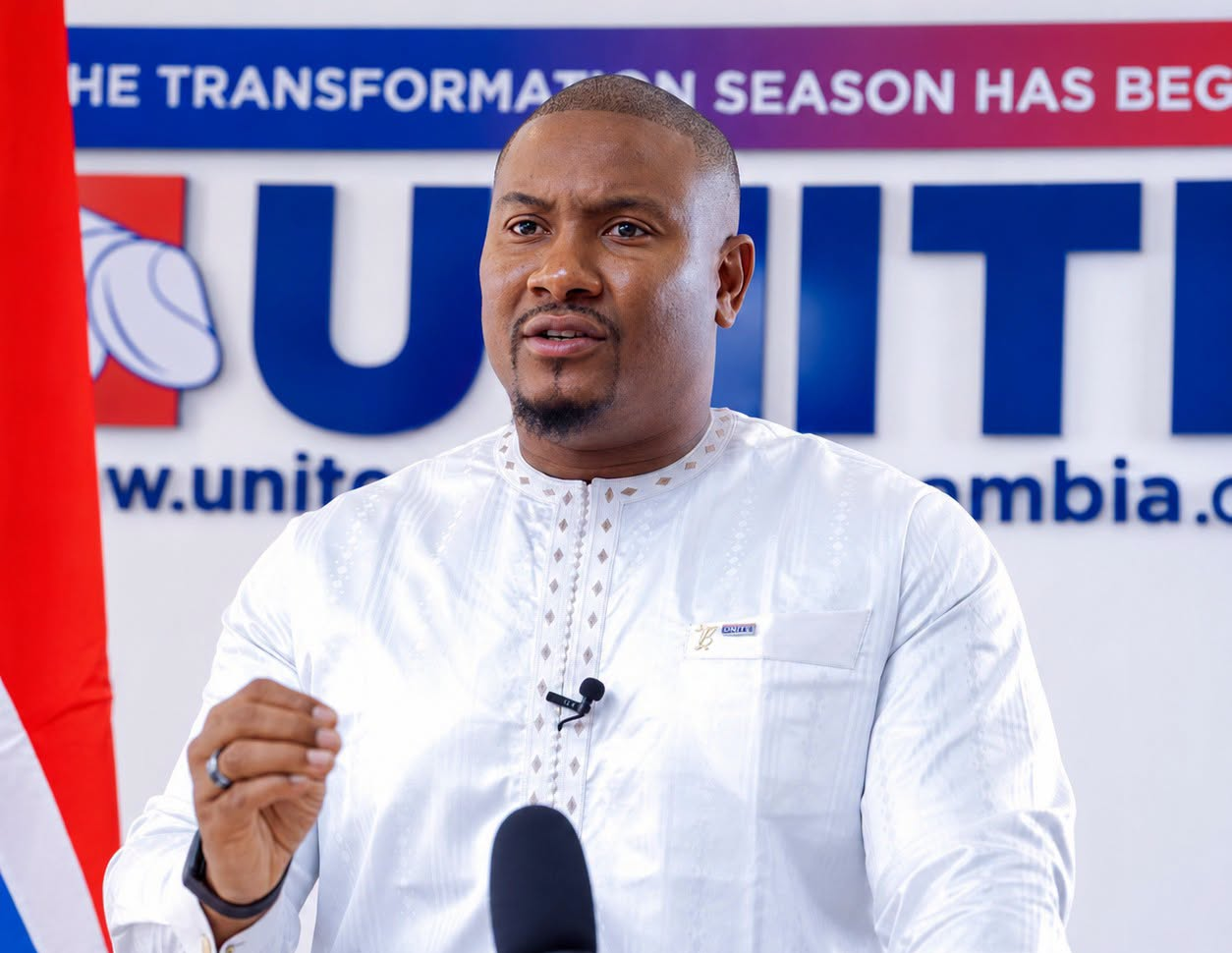
Talib Ahmed Bensouda has submitted his papers to contest Gambia’s 5 December presidential election, but filing is not the same as securing a place on the ballot. His challenge to adverse local-government inquiry findings remains before the Court of Appeal, leaving the Independent Electoral Commission to assess a candidacy whose legal status is contested.
Local reporting places the submission on Saturday, 7 November. The Gambia Journal said Bensouda’s documents awaited the commission’s eligibility decision; the African Press Agency independently reported his Saturday nomination. Neither account establishes that he has been excluded, and a pending appeal should not be described as a court ruling clearing him.
The dispute matters because it connects two legitimate democratic requirements that can come into tension: investigating public administration and ensuring that electoral competition is not narrowed through a legally unsound process. A crisis is not inevitable. The quality and transparency of the decisions now taken will affect how voters judge the contest.
The election calendar is clear; the candidate list is not
The IEC’s own 3 November briefing confirms that the presidential election is scheduled for 5 December 2026 and that nominations run from 3 to 14 November. It said 27 aspirants had collected forms when the nomination schedule was published. That number is not a list of approved candidates.
President Adama Barrow, of the National People’s Party, is seeking another term; AFP reporting carried by Africanews describes it as his third-term bid. Veteran United Democratic Party leader Ousainou Darboe is also among the aspirants. The African Press Agency reported on Sunday that both were still due to submit their papers.
Bensouda leads UNITE and its Coalition 2026 presidential effort. He built his profile as Kanifing’s mayor, with Africanews highlighting regular waste collection as part of his municipal appeal. The Gambia Journal reports that he announced his resignation effective 6 November, with UNITE saying the move was intended to satisfy presidential candidacy requirements.
The administrative step of leaving municipal office does not, by itself, resolve the separate dispute about the inquiry’s findings.
What the inquiry found—and what remains contested
President Barrow established the Local Government Commission of Inquiry in February 2023 to examine the administration and finances of eight councils, according to reporting on the government’s publication statement. The government’s response, or White Paper, and the commission report were gazetted on 29 October 2026.
Reporting by The Gambia Journal and the fact-checking organisation DUBAWA describes findings concerning Bensouda’s involvement in expenditure authorisation, procurement and other council decisions. The government accepted findings and endorsed follow-up measures, including further investigation and a forensic audit.
Bensouda disputes the findings. Reports on his appeal say he argues that the commission failed to identify the particular expenditure involved, establish its legal basis or provide adequate reasons. His side also contests the suggestion that a mayor, rather than the council’s designated accounting officials, had the authority to authorise payments.
UNITE has rejected the allegations as a political manoeuvre timed around nominations. That is the party’s position, not an established finding about the government’s motive. Equally, an inquiry finding or recommendation for investigation must not be rewritten as a criminal conviction.
Why the constitutional question is more complicated than guilt
Section 62(3)(c) of the 1997 Constitution addresses a person who, while holding public office, has been found liable for misconduct, negligence, corruption or improper behaviour by a legally established commission or committee of inquiry. It lists that circumstance as a bar to presidential eligibility.
The provision is therefore not limited to convictions in criminal courts. Saying simply that Bensouda has not been convicted would not answer the eligibility question. The issue is whether the particular findings meet the constitutional test and how his challenge affects their application.
Section 204 provides an appeal to the Court of Appeal against an adverse inquiry finding. Gambiana’s report of Barrow’s 5 November letter confirms that Bensouda filed his notice on 24 June, challenging a finding communicated on 12 May.
An appeal and a stay are not interchangeable. The constitutional right to appeal does not, in its wording, automatically erase an adverse finding. Nor does the existence of that finding allow a reporter to announce disqualification where the competent institutions have not settled the disputed application. No verified order granting a stay or final ruling resolving this challenge was available in the reporting reviewed for this article.
Independence is the immediate test
Barrow’s letter, as reported by Gambiana, says the White Paper is neither a court judgment nor a determination of eligibility. He says qualification is for the IEC, subject to the courts, and that commenting on the disputed finding while the appeal is pending would be improper.
National Human Rights Commission chair Emmanuel Daniel Joof has likewise urged institutional restraint. In a statement published by The Standard, he distinguishes a finding of liability from a recommendation for further investigation and calls for decisions grounded in law, evidence and fair process. He does not endorse either side’s legal conclusion.
That is a stronger basis for assessing the controversy than predicting unrest. Accountability cannot depend on political affiliation; ballot access cannot depend on executive preference. Voters need a clear explanation of what finding is being applied, what legal consequence follows and what avenues remain to challenge it.
The next consequential developments are the IEC’s determination and the courts’ handling of the appeal and any related applications. Until then, Bensouda is an aspirant who has filed, not a candidate proven guilty and not one conclusively disqualified. Preserving those distinctions is part of preserving confidence in the election itself.