CREDICORP SPARK Loan: How to Apply Using the USSD Code 347333# in Nigeria
Nigeria's CREDICORP has introduced SPARK, a USSD-based consumer credit service designed to help people access loans without smartphones or internet. Here's how the service works, how to access it and what borrowers should know.
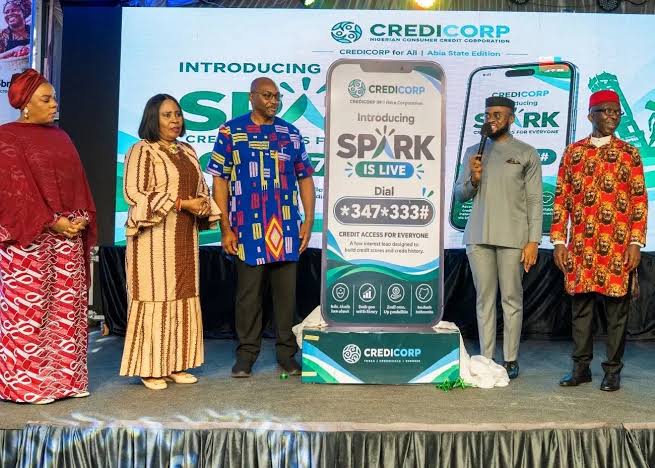
Nigeria's federal government has introduced SPARK, a USSD-based consumer credit service designed to help people access loans through ordinary mobile phones without requiring internet connectivity or a smartphone. The initiative, launched by the Nigerian Consumer Credit Corporation (CREDICORP), is intended to bring more first-time borrowers into the formal credit system.
The service could make borrowing more accessible to Nigerians who have traditionally struggled to qualify for bank loans or use app-based lending platforms. However, its early rollout has encountered an important obstacle: some users have reported that the advertised USSD code is unavailable.
Here is what Nigerians need to know about the SPARK loan, how to access it and what remains unclear about the programme.
What Is the CREDICORP SPARK Loan?
SPARK is a USSD-based consumer credit initiative introduced by CREDICORP, a development finance institution established by the Nigerian government to expand access to consumer credit.
Unlike conventional digital lending services that require smartphone applications and internet access, SPARK is designed to work through USSD technology. This allows users to interact with a service by dialling a short code on a mobile phone, including basic phones that cannot run modern applications.
CREDICORP unveiled the initiative during its CREDICORP for All showcase in Aba, Abia State, in late October 2026. The corporation described it as a way to extend consumer credit to people who may have limited or no formal borrowing history.
The broader objective is to make it easier for working Nigerians to finance essential purchases, improve their living conditions and establish credit records through responsible borrowing and repayment.
What Is the CREDICORP SPARK USSD Code?
The announced USSD code for SPARK is:
347333#
Nigerians can dial the code from a mobile phone to access the service when it becomes available on their network and in their location.
USSD technology does not require a mobile data connection. It communicates through a mobile network, making it particularly useful for people who do not own smartphones or cannot afford regular internet subscriptions.
However, the announcement of the code should not be confused with confirmation that the service is already fully operational nationwide.
How to Apply for a CREDICORP SPARK Loan
The announced access method is straightforward:
Open the phone dialler on your mobile device.
Enter 347333#.
Press the call button using your mobile network.
If the service is available, follow the instructions displayed on your screen.
Review any loan offer and the applicable conditions before proceeding.
CREDICORP has not yet published a complete public breakdown of the application journey, including all required documents, eligibility checks and approval procedures.
Prospective borrowers should therefore treat the steps above as the announced access method, not a guarantee of loan approval or immediate disbursement.
Is the SPARK USSD Code Working?
One of the most important questions surrounding the launch is whether Nigerians can actually use the service.
Reports published on November 2 and 3, 2026, described difficulties accessing the USSD platform. The Foundation for Investigative Journalism (FIJ), for example, reported that it dialled the code using MTN and Glo connections but received messages indicating that the service was unavailable.
Other prospective users also reported difficulties accessing the platform.
These complaints raise questions about the readiness of the service, particularly because the USSD code was publicly announced before the wider rollout was complete.
CREDICORP has described SPARK as a phased initiative, with wider availability expected before the end of 2026. This means some Nigerians may have to wait before they can successfully access the service.
For now, anyone encountering an unavailable-code message should avoid repeatedly attempting to apply through unofficial channels or paying intermediaries who claim they can activate an account.
Who Is SPARK Designed to Help?
SPARK is particularly relevant to Nigerians who have limited access to conventional financial services.
One of its central targets is the first-time borrower: someone who may earn an income and have the capacity to repay a loan but lacks an established credit history.
Traditional lenders often rely on previous borrowing records and formal financial information when assessing applicants. People without those records can find it difficult to obtain credit, even when they have a genuine need and a reliable source of income.
By creating an entry point into formal consumer lending, SPARK could help eligible borrowers establish repayment histories. Responsible repayment may strengthen their credit profiles and improve their chances of accessing financial services in the future.
The initiative is also part of a wider effort to extend credit access to working Nigerians, traders, young people and households that have historically been underserved by formal lending institutions.
What Can Nigerians Use CREDICORP Credit For?
CREDICORP's broader consumer credit strategy covers several areas of household consumption and productive investment.
These include:
Digital devices: Smartphones, laptops and tablets.
Energy solutions: Solar panels and generators.
Mobility: Compressed natural gas vehicles and electric vehicles.
Home improvement: Furniture, appliances and building materials.
Life essentials: Healthcare, food, apparel and other household needs.
These categories describe CREDICORP's wider consumer credit priorities. They should not automatically be interpreted as a confirmed list of purchases available through SPARK itself. The corporation has yet to publish a comprehensive breakdown of SPARK-specific loan products and participating providers.
How CREDICORP Is Expanding Consumer Credit in Nigeria
SPARK is not an isolated government initiative. It forms part of a broader programme to expand consumer financing in Africa's largest economy.
According to figures reported by Premium Times, CREDICORP said that, as of October 31, 2026, approximately 353,561 Nigerians had accessed credit through its programmes, with more than ₦61.40 billion disbursed.
The corporation also reported working with 36 financial institutions to expand lending and supporting seven local industries through credit-backed demand.
These figures reflect CREDICORP's wider activities, not the number of people who have borrowed through SPARK specifically.
The distinction matters because SPARK is a new access channel within a much larger consumer credit programme. Its success will depend on whether it can reach people who have previously been excluded from formal lending and connect them with financial institutions capable of providing suitable credit.
Is the CREDICORP SPARK Loan Free?
No. SPARK is a consumer credit service, not a government grant.
Borrowers who receive credit are expected to repay it under the conditions agreed with the relevant lending institution.
As of November 3, 2026, comprehensive public details about SPARK's loan limits, interest rates, repayment periods, fees and eligibility requirements have not been clearly established in the launch reporting.
Applicants should confirm these details before accepting any offer. A loan advertised as affordable can still become a financial burden if the repayment schedule does not match the borrower's income.
Borrowers should also be cautious of individuals or unofficial websites demanding upfront payments in exchange for guaranteed approval. The announcement of a government-backed programme does not mean every person who applies will qualify.
Can SPARK Change Access to Loans in Nigeria?
The potential importance of SPARK extends beyond the convenience of borrowing without internet access.
For millions of people, the barriers to formal credit are not limited to interest rates. They can include limited banking access, a lack of credit records, complicated application processes and the requirement to use digital services that depend on smartphones and reliable internet connections.
USSD technology offers a relatively simple way to reduce some of these barriers. It can bring financial services closer to people who have been left out of app-based lending.
But accessibility alone will not determine whether SPARK succeeds.
The programme must demonstrate that it can process applications reliably, disclose borrowing costs clearly, protect consumers and connect applicants with responsible lenders. Its wider rollout will also need to address the technical problems reported by early users.
Ultimately, the success of SPARK will not be measured by how many Nigerians dial its USSD code. It will depend on how many people can obtain suitable credit, repay it without falling into financial difficulty and use their borrowing history to access better opportunities.
For now, Nigerians interested in the initiative can note the announced code, 347333#, while waiting for CREDICORP to expand availability and publish clearer details about the service.