Saudi–Houthi war: Houthi strikes are squeezing the oil route Saudi Arabia built around Hormuz
Houthi missiles and drones are hitting Riyadh, the East-West pipeline and Yanbu, the route Saudi Arabia relies on while Hormuz is shut. With Saudi tankers kept out of the Bab el-Mandeb, the crude now travels via Egypt and around Africa. This tracker logs each development and separates what is confirmed from what each side claims.
Latest developments
Times are East Africa Time (EAT), which is the same as Saudi time. Newest entries are at the top. Claims by either side are attributed and are not independently verified unless we say so.
- 14 November, 16:10 EAT — Coalition spokesman Maj-Gen Turki al-Maliki said air defences had intercepted and destroyed two drones, one over Riyadh and one over the southern region. He gave no details of targets or damage. Earlier on Saturday afternoon, the spokesman for Yemeni government forces said the Houthis had fired two ballistic missiles at Aden, the government’s temporary capital; no casualty or damage figures were given and the claim has not been independently verified (Al Jazeera Arabic).
- 14 November — President Donald Trump has told senior advisers he may hold off on attacking Iran if the United States faces no new provocations from Tehran or the Houthis, Reuters reported, citing three people familiar with the matter. According to two other people familiar with the discussion, Trump told Crown Prince Mohammed bin Salman on 31 October that he planned to attack after the US elections, and the crown prince pleaded with him to hold off, arguing that sanctions on Iran were working. Turkish President Recep Tayyip Erdogan made a similar appeal; Trump made no commitment either way. The report makes further Houthi attacks a possible trigger for wider US action (Reuters via Al-Monitor and Arab News).
- 14 November, by 11:54 EAT — A Yemeni government field officer told AFP that Houthi forces had captured the mountainous al-Maqatirah area, which carries the main road into the besieged city of Taiz, and had taken large parts of the neighbouring al-Madaribah wal Ara district next to Aden province. The account comes from a single anonymous source and has not been independently confirmed. Government forces said on Saturday morning that they had repelled Houthi attacks on the al-Aqroud front south-east of Taiz and in al-Madaribah, and had shot down a Houthi drone in northern Marib. Houthi media said shelling of the Shada area of Saada province killed five civilians, while the coalition said its strikes there targeted military positions; neither account has been verified (AFP via Business Recorder, Al Jazeera Arabic, Anadolu).
- 13 November, by 23:58 EAT — Houthi military spokesman Yahya Saree claimed two more attacks on Saudi Arabia: a drone at King Khalid International Airport in Riyadh and two drones at Pumping Station No. 3 of the East-West pipeline, east of the capital. He also claimed two ballistic missiles were fired at what he called Saudi troop concentrations in the al-Tuwal area of Jazan, and strikes with ballistic missiles and drones on “Saudi weapons depots” at the Ras Abbas camp in Aden, as well as missile fire at forces in Lahj and al-Jawf. Saudi Arabia did not immediately confirm any of the claims, which have not been independently verified (Middle East Eye, Saree on X).
- 13 November, evening — Yemeni armed forces spokesman Majed al-Nuzaili said Houthi ballistic missiles had targeted civilians and civilian infrastructure in Aden, calling it a “serious escalation”, and said government forces would press on with their “Dawn of Yemen” operation. The army separately said it had carried out 943 strikes on Houthi positions across several fronts in recent hours, including 18 airstrikes. Neither side gave casualty figures for the Aden attack (Arab News, Anadolu).
- 13 November — The International Organization for Migration said more than 340,000 people had been forced from their homes by the fighting, almost all from Taiz (224,819), Lahj (72,018) and Hodeidah (40,782). It warned that restrictions on key transport routes were delaying aid deliveries (IOM statement, reported by APA and EFE).
- 13 November, around 16:30 EAT — Al Jazeera’s correspondent reported hearing an explosion in Aden, the Yemeni government’s temporary capital. The Houthi-run Saba agency, citing a military source, said the group had targeted “a gathering of Saudi officers” at the Jabal Hadeed military camp. Yemeni sources cited by the outlet Daily Beirut said several ballistic missiles struck the Ras Abbas training camp of the National Security Forces in al-Buraiqa, west of the city. Neither the coalition nor the government gave casualty figures, and the Houthi claim has not been verified. AFP separately reported, citing Yemeni military officials, that they had been ordered to build fortifications west and north of Aden as Houthi forces hold high ground overlooking the area (Al Jazeera Arabic, Saba, Türkiye Today).
- 12 November — Houthi forces captured the town of al-Shatt and the nearby al-Sarih junction in south-eastern Lahj, according to a joint assessment by the Critical Threats Project and the Institute for the Study of War, which said the offensive appeared aimed at cutting the Mokha–Aden supply road. The groups said Saudi and Yemeni government aircraft struck Houthi positions in al-Shatt the same day. The capture has not been independently verified (Yemen Herald).
- 13 November, early morning EAT — Coalition spokesman Maj-Gen Turki al-Maliki said air defences intercepted and destroyed a drone over the Eastern Province. The one-line statement did not say who launched it, what it was aimed at or whether it caused any damage (Anadolu, Saudi Press Agency).
- 12 November, by 23:45 EAT — Houthi military spokesman Yahya Saree claimed a new round of attacks: a drone on Pumping Station No. 7 of the East-West pipeline, a ballistic missile at an oil facility in Yanbu, a drone at the Aramco building in Riyadh, a drone at a military cargo plane at Sharurah airport and a ballistic missile at King Khalid Air Base in Khamis Mushait. He gave no details of damage and did not say on which day the attacks took place, and he called the Saudi account that the group had targeted the Mecca region a “grave falsehood”. The coalition said it intercepted two drones on Thursday, one over the Riyadh region and one over the Eastern Province. Saudi Arabia did not immediately comment on the claims, which have not been independently verified (Reuters, Al Jazeera). Saree also claimed six ballistic missiles were fired at government-aligned forces in Kharaz and Ras al-Arah, in southern Lahj near the Bab el-Mandeb, and accused Saudi Arabia of 98 air and missile strikes across five Yemeni provinces in 24 hours; neither claim has been verified (Xinhua).
- 12 November — The UN Security Council voted unanimously to extend Yemen sanctions, including asset freezes and travel bans, for another year, along with the mandate of its Panel of Experts on Yemen. The resolution condemns the Houthis’ “maritime and cross-border attacks against Saudi Arabia” and calls on all parties to refrain from escalation (Al Jazeera).
- 12 November, by 08:50 EAT — The World Health Organization said casualties in Yemen’s fighting since August had reached 11,755 as of 8 November, including 2,098 killed and 9,657 wounded, with more than 2,000 of them recorded in just nine days. It said more than 320,000 people had been displaced since 1 August, almost 16,000 of them in the past week (Al Jazeera).
- 12 November, by 03:20 EAT — Saudi state television named a second place where missile debris fell: Wadi Al Maghmas, about 21km east of the Grand Mosque in Mecca. Sabouha is about 35km north-east of it. Civil defence said the “hostile targeting of civilian objects constitutes a flagrant violation of international humanitarian law.” The Houthis had not commented on this incident; they have repeatedly denied targeting Mecca (Reuters).
- 12 November, by 02:50 EAT — Saudi Civil Defence said fragments of two Houthi ballistic missiles destroyed over the Makkah region fell in the village of Sabouha. The statement, reported by Arab News and Middle East Eye, did not mention casualties or damage.
- 12 November, 01:20 EAT — A Yemeni government source told Anadolu that two Houthi ballistic missiles fired on Wednesday evening landed inside the Saudi-led coalition’s base in al-Buraiqa, west of Aden. The source had no information on casualties or damage, and the coalition had not commented. Al Jazeera’s correspondent reported hearing two explosions in Aden. About 90 minutes earlier, Houthi military spokesman Yahya Saree said the group had fired ballistic missiles at a “command headquarters and operations room” in al-Buraiqa.
- 11 November, by 22:30 EAT — The coalition said its air defences destroyed two Houthi ballistic missiles over western Saudi Arabia. Civil defence issued emergency alerts in Taif, Yanbu and Khamis Mushait, then said the danger had passed, without saying what had prompted them (Arab News, Anadolu).
- 11 November, 19:40 EAT — Coalition spokesman Maj-Gen Turki al-Maliki said three cruise missiles fired towards the Riyadh region, and two drones over the Mecca and southern regions, were intercepted. Saree said the group had fired three cruise missiles at King Khalid International Airport and hit “Pumping Station No. 11” near Yanbu with a drone. He denied targeting Mecca. Saudi Arabia has not confirmed any strike near Yanbu (Reuters, Xinhua).
- 10 November — The coalition reported intercepting a ballistic missile and a cruise missile over Riyadh, a ballistic missile over the south and a drone over the Eastern Province. The Houthis denied attacking the pipeline near Medina and said they had hit pumping stations in the Riyadh area instead, which Riyadh has not confirmed. The Houthi-run Saba agency reported coalition strikes on a gas facility and an oil company building in Sanaa, which the coalition did not confirm. Riyadh schools moved classes online (AFP, Reuters).
- 9 November, 19:22 EAT — Saudi Arabia’s energy ministry said the East-West pipeline was “targeted” in the Madinah region, causing a “limited fire.” It reported no casualties, said operations were unaffected and did not name an attacker (SPA, Arab News).
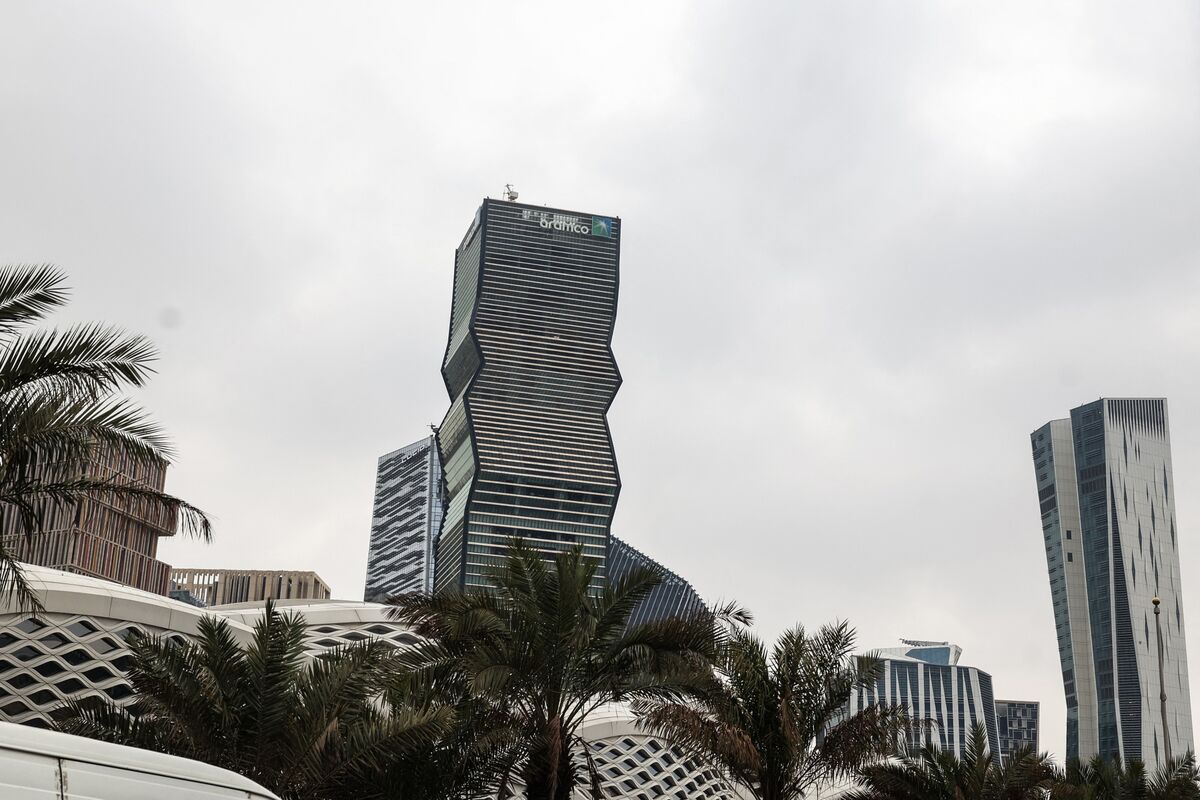
- Night of 7–8 November — Aramco Tower in Riyadh’s King Abdullah Financial District was damaged. The energy ministry described “minor damage” from debris of an “attempted attack.” Footage verified by BBC Verify shows more extensive damage, with at least one floor badly hit.
- 7 November — Air strikes hit al-Shariyah, in the Bani Hushaysh district east of Sanaa. The Houthi health ministry says 44 people were killed, including 21 children. That toll has not been independently confirmed. The coalition said it had destroyed missile launchers in Saada and Sanaa and did not address the toll.
The analysis
Night after night this month, the same exchange has played out. Saudi Arabia’s civil defence sends a shelter alert to phones in Riyadh. The Saudi-led coalition then posts that its air defences have destroyed incoming missiles or drones. A few hours later, the Houthis’ military spokesman says those weapons hit their targets. Taken one night at a time, the war between Saudi Arabia and Yemen’s Houthi movement looks like an argument over who is telling the truth.
The pattern across four months is clearer than any single night’s claims. In July, the Houthis declared a naval blockade of Saudi-linked shipping. In September they took the Yemeni side of the Bab el-Mandeb strait. Since then they have repeatedly claimed strikes on the East-West pipeline’s pumping stations and on Yanbu. Together, these moves bear down on the one export route Saudi Arabia has had since the war with Iran largely closed the Strait of Hormuz in late February. That route now runs through Egypt and around Africa, so the effects of the war reach well beyond Riyadh.
How a four-year truce collapsed
The informal truce that had largely held since April 2022 came under strain in mid-July. Iran sent a plane to carry a Houthi delegation to the funeral of Ayatollah Ali Khamenei, who was killed in the US-Israeli war on Iran. Saudi Arabia struck Sanaa airport to stop the plane from landing. On 13 July the Houthis fired missiles at the kingdom for the first time since 2022. A week later they announced a “naval blockade” of Saudi-linked shipping, and on 22 July the tanker Encelia was hit, according to ACLED’s chronology. Oman tried to revive the truce in late July and failed. According to the International Crisis Group, the Houthis widened their demands to include a full Saudi withdrawal from Yemen, an end to Saudi support for the Yemeni government and compensation.
Saudi Arabia went into this round weaker than in 2015. In December 2025 its strike on a UAE shipment at Mukalla ended the Saudi-Emirati partnership in Yemen. The UAE withdrew, leaving the anti-Houthi forces on the ground without the command structure Abu Dhabi had provided, CNN reported, citing Yemeni officials and analysts. In the second week of September, the Houthis took Mokha and then the island of Perim, or Mayun, in the strait. They now claim control of Yemen’s Red Sea coast. On 5 October, government forces launched an offensive called “Yemen’s Dawn.” On 10 October a Houthi strike on Riyadh’s King Khalid International Airport killed 12 people and injured 309, according to Saudi authorities. An Indian national died of his injuries the next day, bringing the toll to 13. According to the World Health Organization, 2,098 people had been killed and 9,657 wounded in the fighting since August, as of 8 November, and more than 320,000 people had been displaced since 1 August.
The bypass the Houthis are squeezing
The 1,200km East-West pipeline, built in 1981, runs from the oilfields of the Eastern Province to Yanbu on the Red Sea. It can carry up to 7 million barrels a day (bpd). Since Hormuz closed, it has carried about 4 million bpd of crude, roughly 4% of world supply, that would otherwise have left from Gulf ports. On 11 September the whole line was shut as a precaution after drone attacks that Riyadh and Baghdad said had been launched from Iraq. On 6 October the energy minister, Prince Abdulaziz bin Salman, said flows were back up to 5.8 million bpd.
The pipeline has kept running, but the sea beyond Yanbu has become harder to use. Weekly data from Kpler, a commodities data firm, show Yanbu exports averaging about 3 million bpd since the pipeline restarted in late September, and topping 4 million bpd in the week of 12 October. In August, after the Houthi blockade took effect, flows had fallen to about 2 million bpd. The overall figures are disputed: for October, TankerTrackers.com put total Saudi exports at 7.9 million bpd and Kpler at 5.72 million bpd, and many tankers have turned off their tracking signals. What every tracker shows is that the route works only as long as Yanbu, the pumping stations and the sea lanes from Yanbu all stay open. Each Houthi claim of a hit on a pumping station tests one of those three. So far Saudi Arabia has confirmed only the limited fire near Medina on 9 November, and it says operations were unaffected.
Why the detour runs through Africa
The southern exit from the Red Sea is now, in effect, closed to Saudi tankers. According to the Associated Press, Houthi attacks on Saudi tankers had largely shut the Bab el-Mandeb route even before the group reached the strait itself. So Saudi barrels have gone north. By 10 September, Lloyd’s List reported, more than 70% of Yanbu’s exports were heading north to Egypt, either through the Suez Canal or into the SUMED pipeline to Sidi Kerir on the Mediterranean. Sidi Kerir’s crude exports had averaged 2.2 million bpd over five weeks, almost three times their normal level, and 43% of those cargoes were going to Asia, which had taken none before. Fully loaded supertankers that sail from the Mediterranean to Asia without using Suez have to go around the Cape of Good Hope. Lloyd’s List described the result as crude moving “from Yanbu to Egypt to Asia via the Cape of Good Hope.” In late October, Kpler reported that Aramco was offering spot cargoes from both Yanbu and Sidi Kerir.
That makes Egypt the clearest beneficiary of a war it is not fighting. The Suez Canal Authority says October revenue was $724m, up 94% from a year earlier, from 1,490 transits. That was the highest monthly figure since Houthi attacks on shipping began in late 2023. Cairo’s windfall depends on the Houthis continuing to aim at Saudi-linked ships rather than all shipping, and the group could reverse that choice. Djibouti faces the costs of the war instead. By late September, according to UNHCR figures cited by the Carnegie Endowment, more than 3,000 people had crossed the strait from Yemen to Djibouti, and Djibouti’s interior minister had warned that the number could reach 10,000. Houthi positions on the strait are now within about 80 miles of Camp Lemonnier, the only permanent US base in Africa, according to the same Carnegie analysis. For the Horn of Africa, Houthi control of the opposite shore is no longer a distant possibility.
Who holds the leverage
The Houthis have gained a great deal of leverage. Their missiles and drones reach Riyadh, Yanbu and the south of the kingdom, and they hold the Yemeni shore of a strait that, by the Carnegie Endowment’s estimate, normally carries about 12% of seaborne-traded oil. Washington has not tried to take that leverage away. According to CNN, Crown Prince Mohammed bin Salman urged President Donald Trump twice in September to strike the Houthis. Trump declined, and US officials met the Houthis in Oman to protect Washington’s own ceasefire with the group. Instead, the kingdom has put together a patchwork of support. More than 100 US military advisers are providing intelligence and targeting help, France has deployed defence assets, Britain has sent a refuelling aircraft, and Saudi Arabia, Turkey and Pakistan have agreed to “activate collective deterrence measures” under their Mecca Joint Defense Agreement.
Iran’s incentives point the other way. The Crisis Group argues that, with Tehran in a wider confrontation with Washington, it sees “real benefit” in further disruption to oil markets. Kpler noted that Dated Brent had stayed between $116 and $120 a barrel since 16 October. Diplomacy is going on, but it is not producing results. The UN envoy, Hans Grundberg, held talks in Riyadh and then, on 8 November, in Muscat about de-escalation and restarting negotiations, according to Oman’s state news agency.
Who bears the burden
Yemenis bear the heaviest costs, and those costs are the hardest to count. The 44 deaths the Houthi health ministry reports from the 7 November strikes east of Sanaa have not been independently confirmed, and the coalition has not responded to them. The coalition says it hit missile launchers. The UN displacement figures are the most reliable measure of the war’s scale available. In Saudi Arabia, life in the capital has been disrupted. Schools have moved online and residents receive repeated shelter alerts. The 13 people killed at the airport in October included an Indian national, who died of his injuries the day after the attack. Beyond the region, shipowners, insurers and fuel importers pay for every extra mile and every rise in war-risk premiums, and many of those importers are in Africa.
What we can and cannot verify
This tracker treats both sides’ accounts as claims. Saudi statements usually report interceptions and minimise damage. Houthi statements usually report hits and name specific targets. Independent checks have sometimes contradicted official accounts: BBC Verify’s review of footage from the Aramco Tower found more damage than the ministry described. Some Houthi claims have never been confirmed, including the claimed strikes on pumping stations near Riyadh, at Abqaiq and at Yanbu. The two sides gave incompatible accounts of the 9 November pipeline attack: Riyadh said it happened near Medina, while the Houthis said they hit pumping stations near the capital. Government forces say they killed or wounded 138 Houthi fighters in a single day. That claim has also not been independently confirmed.
What to watch
There are four things to watch. First, whether Saudi Arabia acknowledges damage to a pumping station or at Yanbu, which would be the first sign that the bypass itself is at risk. Second, November loading data for Yanbu and Sidi Kerir from Kpler, TankerTrackers and Lloyd’s List Intelligence, which will show more than either side’s statements. Third, whether the Houthi strikes on Aden mark a shift towards targeting the coalition’s headquarters in Yemen rather than the kingdom itself. Fourth, whether the Omani and UN track produces any arrangement on shipping. That is the issue on which Saudi Arabia, Egypt and the Houthis all have something to trade. Our latest developments section at the top of this page will be updated as events unfold.