Houthi strike on Aramco Tower brings Yemen's war to the heart of Riyadh
Saudi Arabia says falling shrapnel caused only minor damage to an Aramco building in the capital's financial district, but verified footage suggests a heavier hit. The attack shows how far the Houthis' campaign against the kingdom has spread since Yemen's truce collapsed in July.
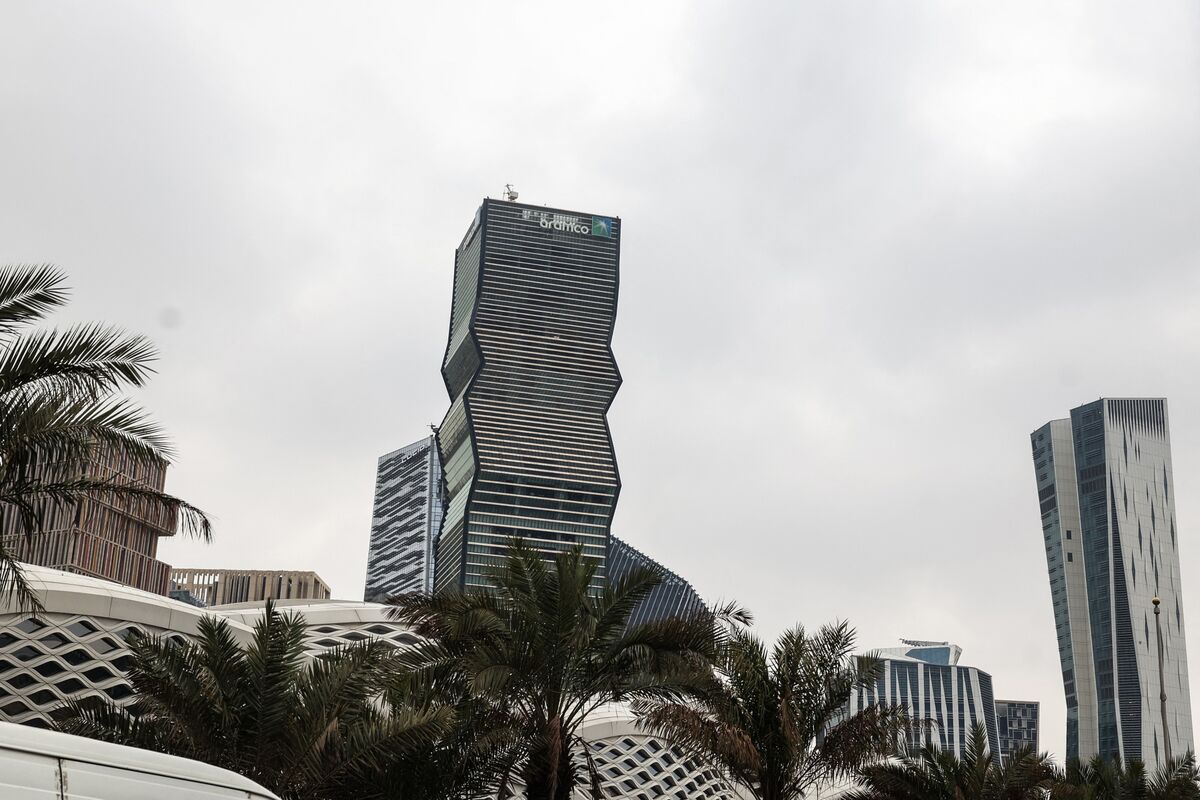
For most of the past four months, the Houthis' war with Saudi Arabia has been fought over oil sites, airports and tankers. On Sunday it reached the glass towers of Riyadh's King Abdullah Financial District, where a skyscraper belonging to Saudi Aramco was damaged during a missile and drone barrage on the capital.
Saudi Arabia's energy ministry described the incident as an "attempted" attack. A ministry source told state media that falling shrapnel had caused minor damage to an Aramco administrative building and that no one was killed or injured. Other accounts suggest the damage was heavier. Footage authenticated by BBC Verify shows at least one floor of the Aramco Tower that appears to have been badly hit and windows shattered on more than one level. An eyewitness told AFP they saw a projectile strike the building; AFP said it could not confirm the extent of the damage.
## Competing accounts of the barrage
The Saudi-led coalition fighting in Yemen said its air defences destroyed ballistic missiles fired towards Riyadh, along with missiles and a drone aimed at the Eastern Province and the south of the kingdom. Coalition statements reported by Arab News and The National give slightly different counts of what was intercepted, and the coalition later said it had destroyed launchers in Saada and Sanaa used in the attacks.
The Houthis' military spokesman, Yahya Saree, claimed a broader operation: strikes on the financial district, King Khalid International Airport and Aramco storage tanks in Riyadh, and a second barrage against Aramco facilities in Abqaiq that he said caused fires. None of the Saudi statements reviewed for this article confirm damage at the airport or at Abqaiq, and those claims have not been independently verified.
The coalition says it has intercepted or destroyed at least 15 missiles and drones over the kingdom since the start of November, according to Arab News. The attack also came a day after the Houthis accused the coalition of killing at least 33 people, including women and children, in an air strike on al-Shariyah, east of Sanaa; the BBC reported that Saudi Arabia had not commented.
## How the truce collapsed
Saudi Arabia and the Houthis had observed an informal truce for most of the period since 2022. It unravelled in July, when the Houthis declared a "maritime embargo" on the kingdom and began attacking Saudi airports, oil facilities and Red Sea shipping. The group said it was retaliating for what it calls a Saudi blockade of its territory and for a strike on Sanaa airport that Riyadh said was meant to stop an Iranian aircraft from landing, as AP and the BBC have reported. Fighting on the ground between the Houthis and forces aligned with Yemen's Saudi-backed government has resumed. The United Nations says more than 1,600 people have been killed and more than 300,000 displaced since then, according to the BBC.
The escalation is part of the wider regional war involving Iran, which backs the Houthis. That link matters this week: Qatar's prime minister is due at the White House on Monday with a plan for de-escalation between Washington and Tehran, according to Axios, though it is not clear whether any such arrangement would cover the Yemen front.
## Why a hit on KAFD matters
The financial district is the showcase of Saudi Arabia's economic reform programme. It houses the headquarters of the Public Investment Fund, the Saudi stock exchange and regional offices of international banks, as well as homes and a busy metro station. AFP noted that targeting the area would mark a major escalation. Strikes on oil plants test the kingdom's energy infrastructure; a strike on its business centre tests the confidence of investors and residents that the capital can be protected.
The gap between the official description and the visual evidence is also significant. Saudi authorities have repeatedly warned residents not to film or publish images of missiles, interceptors or impact sites. Minimising damage may reassure markets in the short term, but independent verification of what happened on Sunday is likely to shape how seriously investors and insurers take the risk.
## What to watch
Three things will show where this goes next: whether the coalition responds with heavier strikes in Houthi-held Yemen, whether the Houthis keep aiming at civilian and commercial targets in Riyadh rather than oil facilities alone, and whether diplomacy between Washington and Tehran produces any pressure on the Houthis to scale back. For now, the attack shows that the group can reach the centre of the Saudi capital despite the kingdom's air defences.