The Decapitation of Robert Kabera in Uganda Puts Great Lakes Dissidents on Edge
Ugandan detectives are investigating the violent killing of former Rwandan Sergeant Major and online critic Robert Kabera, whose decapitated body was discovered amid lingering questions over motive.
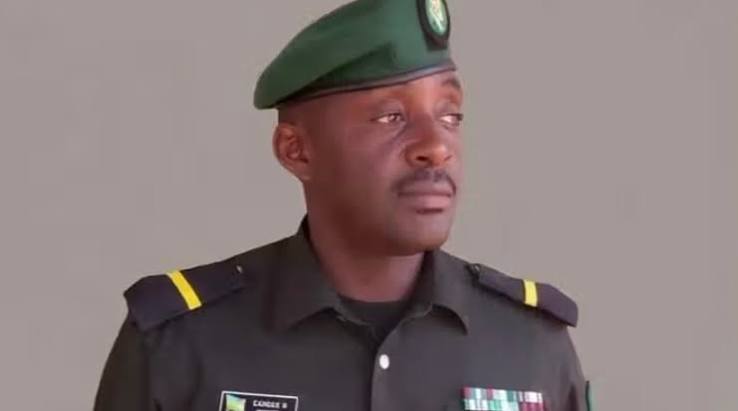
Ugandan police detectives are working through physical evidence and witness statements following the discovery of the decapitated body of Robert Kabera, a former Sergeant Major in the Rwanda Defence Forces turned prominent dissident broadcaster. Kabera, who fled Rwanda after breaking with the military command and the administration of President Paul Kagame, had lived in exile while maintaining an adversarial online platform. The extreme violence of the killing has unsettled the Rwandan refugee community in Uganda and raised difficult questions for security agencies in Kampala.
Ugandan authorities have confirmed the recovery of Kabera's remains, but detailed forensic records remain restricted. Official releases from the Uganda Police Force have yet to clarify whether the victim's severed head was recovered at the scene or if it remains missing. Similarly, authorities have not stated the exact perimeter distance separating the crime scene from central Kampala, nor have they confirmed whether the body bore secondary trauma such as ligature marks, defensive wounds, or physical restraint. Forensic teams have not publicly exhibited a murder weapon, and no suspects have been formally charged.
Before entering political exile, Kabera occupied a distinct position within the Rwandan security establishment. Serving as a Sergeant Major in the Rwanda Defence Forces, he worked as a military instructor and performed as a musician in the Army Jazz Band. His position inside the military cultural unit and training corps made him a recognizable figure in Kigali. He later left the country following a bitter separation from the armed services, relocating abroad and turning into an unsparing critic of the Rwandan government.
From exile, Kabera built an audience around his YouTube channel, Major Robert TV. Through regular broadcasts, he directed sharp denunciations at President Kagame, the leadership structure of the Rwanda Defence Forces, and the governing Rwandan Patriotic Front. Kabera used the channel to allege systemic political repression, describe internal army dynamics, and comment on Kigali's security operations across the Great Lakes region. In his video releases, Kabera repeatedly stated that he faced surveillance, intimidation, and direct threats to his life because of his commentary.
Because of Kabera's vocal opposition, his death immediately sparked suspicions pointing toward Kigali. International rights groups and investigative journalists have previously documented instances of Rwandan dissidents, former officers, and exiled politicians dying under unexplained circumstances, surviving assassination attempts, or disappearing in southern and eastern Africa. Relations between Uganda and Rwanda have experienced years of diplomatic tension, driven in part by reciprocal accusations of espionage and the presence of political exiles operating on Ugandan soil.
Past patterns of cross-border hostility do not constitute legal proof of state involvement in this homicide. Rwandan officials have rejected accusations of carrying out overseas assassinations, maintaining that dissidents invent security threats to secure asylum or camouflage criminal entanglements. Neither Ugandan police nor international investigators have presented forensic evidence, communications intercepts, or operational links tying the Rwandan government or its intelligence services to Kabera's death.
Ugandan investigators are examining several distinct lines of inquiry. One working hypothesis is a targeted political assassination executed by specialized operatives aimed at silencing an outspoken voice. A second focuses on a personal dispute or criminal motive, considering whether Kabera became embroiled in local grievances or robbery that escalated into extreme violence. Detectives are also reviewing whether financial disputes or conflicts tied to cross-border exile networks played a role. At present, the absence of an identified murder weapon, public ballistic or cutting-instrument data, or confirmed arrests leaves every motive unproven.
For security officials in Kampala, the case carries diplomatic friction. Uganda has long hosted thousands of Rwandan refugees and political dissidents, an arrangement that has repeatedly tested bilateral ties with Kigali. Whenever a high-profile exile suffers violent harm inside Uganda, it tests Kampala's ability to protect foreign nationals and exposes domestic intelligence to charges of vulnerability. A failure to identify the perpetrators risks feeding anxiety across the regional exile community while leaving cross-border security ties strained.
What We Know — and What We Don't
CONFIRMED
Robert Kabera, a former Sergeant Major and instructor in the Rwanda Defence Forces who later performed in the Army Jazz Band, was found dead and decapitated in Uganda. Following his departure from Rwanda, he established the YouTube broadcast Major Robert TV, using the platform to voice sharp criticisms of President Paul Kagame and Rwandan state policies. Ugandan police have acknowledged his death and opened an active homicide investigation.
REPORTED BUT NOT FULLY VERIFIED
Kabera repeatedly alleged across his public broadcasts that he was targeted by surveillance, harassment, and threats against his life originating from state-aligned actors. Ugandan authorities have not confirmed whether his head was retrieved or remains missing, nor have they published specific details concerning the exact site of discovery, defensive injuries, or the timeline of the attack.
UNPROVEN
No evidence has been made public linking the Rwandan government, state intelligence agencies, or affiliated operatives to the decapitation. Competing explanations—including robbery, localized personal disputes, financial conflict, or targeted political retaliation—remain unproven while investigators withhold their formal findings and pursue suspects.