Israel Election 2026: Netanyahu Loses Majority as Arab Parties Hold the Balance of Power
Israel's 2026 election has weakened Benjamin Netanyahu's coalition without giving the opposition a clear path to power. With Arab-led parties winning a record 19 seats, the battle to form a government is exposing deeper divisions over political representation, national identity and the future direction of Israeli policy.
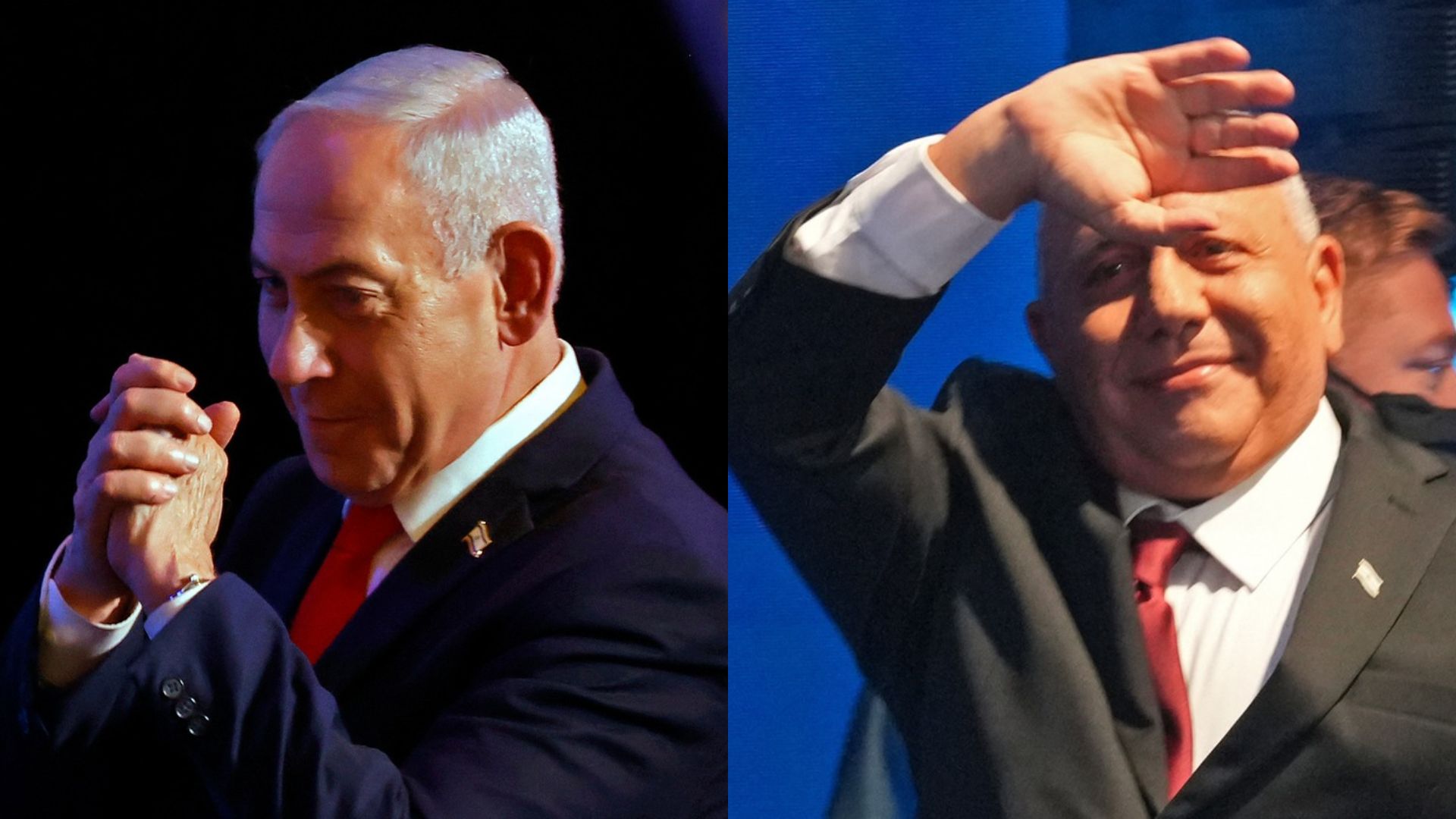
Israel's October 27 parliamentary election has produced a political deadlock that could reshape the country's leadership. Benjamin Netanyahu's coalition has lost its majority, but the opposition cannot govern independently either. With Arab-led parties securing a record 19 seats, the next government may depend on a political partnership that much of Israel's mainstream leadership has been reluctant to accept.
Israel's political future is now entering a decisive period. President Isaac Herzog has received the officially certified election results and begun consultations with political parties to determine who should receive the mandate to form the next government. But the arithmetic of the new parliament presents a difficult challenge: neither of the two main political blocs has enough seats to govern alone.
The result is more than an electoral setback for Prime Minister Benjamin Netanyahu. It exposes the divisions within Israeli politics, raises questions about the place of Arab citizens in the country's political system and creates uncertainty over the direction of a government that will inherit major security and diplomatic challenges.
Netanyahu's coalition loses its parliamentary majority
The final election results have left Netanyahu's Likud-led bloc with 53 seats in the 120-member Knesset, Israel's parliament. The opposition bloc led by former military chief Gadi Eisenkot secured 48 seats, while Arab-led parties won the remaining 19.
A government needs the support of at least 61 lawmakers to command a parliamentary majority.
The figures represent a significant reversal for Netanyahu's political camp, which held a much stronger position in the outgoing parliament. Yet the opposition's inability to secure an outright majority means that the election has not produced a straightforward transfer of power.
Netanyahu's opponents have the numerical advantage when the Arab-led parties are included, but their political differences complicate the formation of a coalition. The central question is whether the opposition can build an arrangement that includes, or relies on the parliamentary support of, Arab representatives.
This is where the election becomes particularly consequential. Netanyahu has lost his majority, but his opponents have not yet demonstrated that they can turn their combined parliamentary strength into a functioning government.
The 19 seats that could determine Israel's next government
The most significant development in the election may be the performance of the Arab-led parties.
The Joint List won 11 seats, while Ra'am secured eight. Their combined total of 19 seats represents a historic parliamentary result for Arab political representation in Israel.
Arab citizens make up a substantial minority of Israel's population and have long faced political disputes over equality, discrimination, national identity and their place within the country's political institutions. Their electoral gains give their representatives greater parliamentary weight at a moment when the country's main political blocs are unable to govern independently.
However, parliamentary representation does not automatically translate into participation in government.
Several opposition leaders have previously ruled out joining a coalition with Arab-led parties, while others have indicated that cooperation may be necessary to remove Netanyahu from power. This contradiction has become one of the defining questions of the election.
The Arab parties therefore face a complicated political position. Their votes could help determine who forms the next government, but the willingness of other parties to accept their participation remains uncertain.
The result also raises a broader question about Israeli democracy: what does meaningful political representation mean when a substantial electoral constituency can influence parliamentary arithmetic but still faces resistance to its participation in governing?
Election fraud allegations create another political dispute
The election's aftermath has also been marked by allegations of irregularities.
Netanyahu and political allies questioned the results, raising allegations involving Arab-led parties and possible foreign interference. Investigations into suspected election-related wrongdoing have been reported, but the allegations have not established that the election outcome was manipulated.
On November 4, Israel's Central Elections Committee certified the results after its review found no evidence of irregularities that compromised the integrity of the vote or changed the outcome.
Herzog formally accepted the certified results and said suspicions of foreign interference should be investigated by the relevant authorities. At the same time, he condemned racist rhetoric directed at Arab citizens and warned against turning allegations involving individuals into accusations against an entire community.
The distinction matters. Investigating credible allegations is a legitimate responsibility of state institutions. But casting doubt on an election without sufficient evidence risks weakening public confidence in the electoral process.
The committee's decision to certify the results means that the government-formation process can proceed while separate investigations continue.
Herzog faces a difficult constitutional task
Israel's president does not directly elect the prime minister. Instead, after consultations with political parties, the president assigns a member of the incoming Knesset the task of forming a government.
The nominee must then assemble sufficient parliamentary support. Under the process described by Israeli law, the candidate initially has 28 days, with the possibility of an extension of up to 14 days.
Herzog's challenge is therefore to identify the candidate with the strongest realistic prospect of securing a governing majority.
Netanyahu remains a possible candidate despite his bloc's reduced numbers. Eisenkot also has a path to the premiership, particularly if he can secure the backing of Arab-led parties and overcome divisions within the opposition.
Other possibilities include a unity arrangement between rival political factions or a minority government dependent on support from parties outside the coalition. If negotiations fail, Israel could face another election.
The president's consultations will be important, but the final outcome will depend on negotiations among the parties themselves.
The election's implications extend beyond domestic politics
The formation of Israel's next government will matter beyond its borders.
The country faces unresolved security and diplomatic challenges following years of conflict involving Gaza, Lebanon and Iran. Its next leadership will have to address military policy, relations with the United States, the future of the Palestinian territories and the country's position within an increasingly unsettled Middle East.
The election does not automatically signal a change in these policies. Even a new government would have to navigate competing political interests, security institutions and public expectations.
However, the composition of the governing coalition will influence which political priorities receive attention and how much room exists for changes in policy.
For Palestinians, the distinction between Israel's Arab citizens and Palestinians living under occupation is also essential. Arab citizens of Israel participate in Israeli elections and elect representatives to the Knesset. Palestinians in the occupied West Bank and Gaza do not vote in those elections. Consequently, the increased parliamentary representation of Arab citizens does not itself resolve the broader question of Palestinian political rights or statehood.
Nevertheless, the election could affect how Israel approaches its Palestinian policy, particularly if the next government is formed through a coalition that has different positions on negotiations, security and the future of the occupied territories.
Israel's political deadlock is about more than Netanyahu
The immediate contest is over who will become prime minister. But the deeper issue is whether Israel's political system can produce a stable government from an electorate divided over leadership, security, national identity and the role of Arab citizens.
Netanyahu's loss of a parliamentary majority demonstrates that his political position is no longer guaranteed. Yet the opposition's failure to secure an independent majority illustrates that defeating an incumbent and building an alternative government are two different political challenges.
The 19 seats won by Arab-led parties have made that contradiction impossible to ignore.
If the opposition accepts their parliamentary support, it could create a route to a government without Netanyahu. If it refuses, the political deadlock could continue despite the election results.
Israel has completed its vote, but the struggle over who governs—and whose political support is considered acceptable—has only begun.