American Photojournalist Heidi Levine Hospitalized After Attack in the West Bank
Veteran photographer Heidi Levine was injured while documenting the Palestinian olive harvest, renewing questions over settler violence and press safety under Israeli military administration.
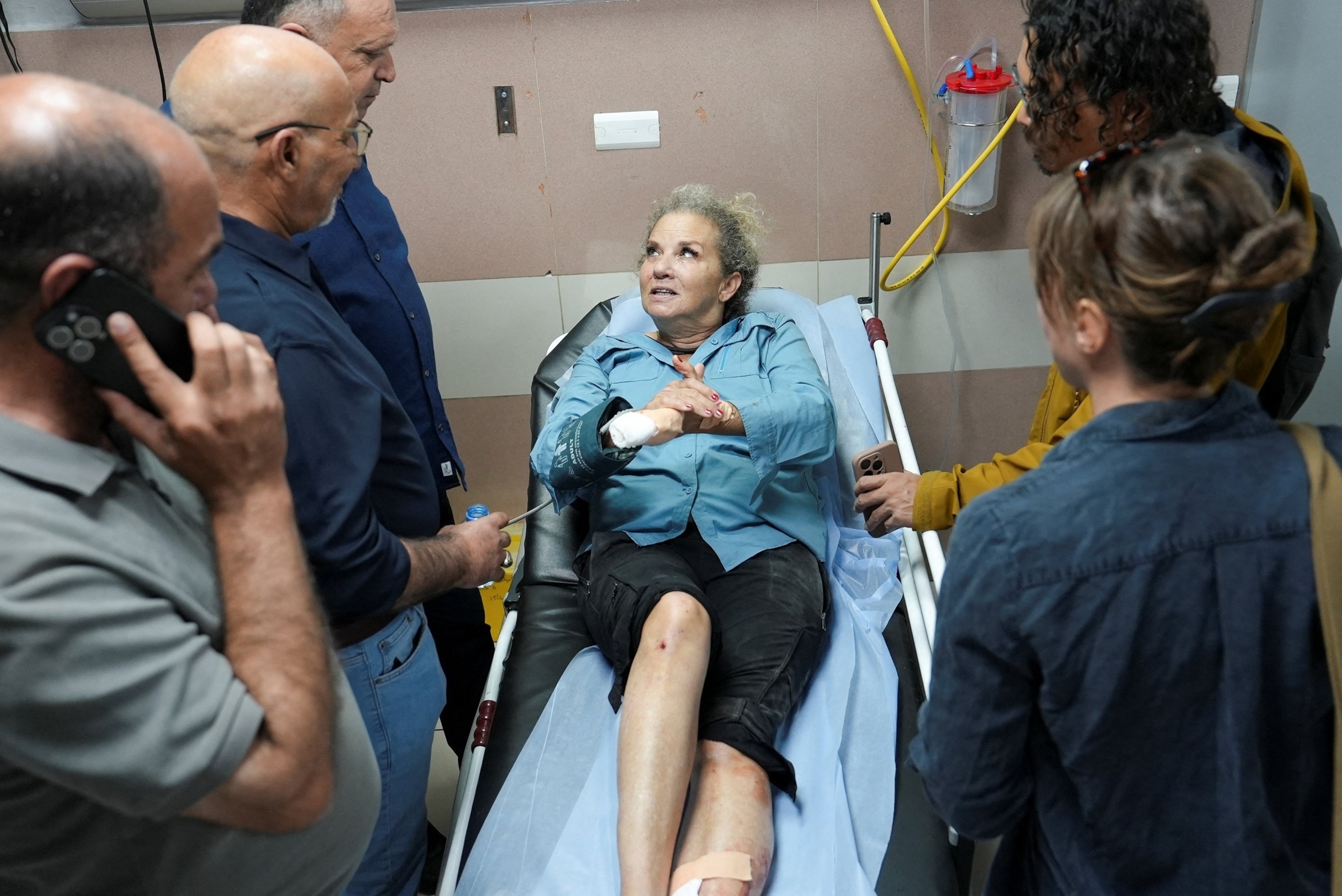
Veteran American photojournalist Heidi Levine was hospitalized in October 2026 following an attack sustained while documenting the annual Palestinian olive harvest in the occupied West Bank. Levine, whose photographic documentation of Middle Eastern conflicts has spanned decades, was working in the field when the incident occurred. Early accounts attributed to witnesses and coverage by The Washington Post indicate that she suffered injuries severe enough to require direct hospital admission, though the exact medical diagnosis and the specific village or grove where the assault took place remain subject to ongoing verification.
Israeli authorities stated that security forces were reviewing reports surrounding the incident. Official confirmation regarding the identities, motives, or legal status of the perpetrators has not been released, leaving open whether the assailants were civilian settlers or other actors operating in the area. Eyewitness statements collected by colleagues and local Palestinian residents describe a sudden confrontation typical of rural friction points during harvest season, yet a formal investigative finding by Israeli law enforcement or military command has not been published.
The Contested Ground of the Autumn Harvest
The timing of the attack coincides with the most sensitive window in the agricultural calendar of the West Bank. Every October, tens of thousands of Palestinian families disperse into rural groves to harvest olives, an economic lifeline and cultural anchor for villages across the territory. The geography of the harvest, however, places civilian farmers in direct proximity to Israeli settlement outposts and military access barriers. In many sectors, Palestinian landowners require pre-coordinated military permits to access groves adjacent to Israeli settlements, permits that frequently limit farming activities to a handful of designated days each autumn.
Physical confrontations, the cutting or burning of ancient olive trees, and attacks on harvesting teams have recurred for decades. International monitors and human rights groups have consistently documented seasonal surges in property damage and assaults during October and November. Quantitative tracking across recent harvest cycles demonstrates that rural friction points repeatedly produce civilian casualties, though compiling comprehensive statistical comparisons is hindered by varying reporting methodologies among local non-governmental organizations, United Nations bodies, and Israeli security registries. Many agricultural disputes pass unrecorded when farmers decline to lodge formal complaints with Israeli police, citing low rates of indictment.
Press Protection and the Realities of Field Coverage
For foreign correspondents and photojournalists, the olive harvest has long served as an essential assignment to capture the structural realities of life under military occupation. Because the work requires direct presence in exposed hillsides rather than reporting from urban administrative centers, visual journalists face distinct operational hazards. Helmets, ballistic vests, and conspicuous press insignia frequently fail to deter physical interference, verbal harassment, or direct attacks by armed civilians or security forces operating in volatile rural zones.
Press-freedom organizations have documented recurrent incidents where reporters, camera operators, and still photographers sustained physical harm or equipment confiscation while covering demonstrations and agricultural activities across the West Bank. The legal baseline under international humanitarian law is clear: under the Geneva Conventions and customary international law, civilian journalists engaged in professional duties in occupied territories are protected persons. They retain full immunity from direct assault unless they take a direct part in hostilities. The occupying power bears an affirmative obligation to protect civilians, suppress vigilante violence, and maintain public order.
Scrutiny and the Gap in Legal Accountability
The hospitalization of an internationally recognized American photojournalist immediately elevates diplomatic and institutional visibility above that accorded to everyday incidents involving Palestinian agricultural workers. When foreign nationals and prominent media figures are harmed, diplomatic missions and international media organizations demand formal inquiries, forcing state institutions to acknowledge events that might otherwise avoid broader public scrutiny.
Human-rights monitors point out that the central problem in the West Bank is not a lack of legal framework, but a systemic deficit in accountability. While the Israeli legal apparatus possesses jurisdiction to police Israeli civilians and enforce military law over Palestinian residents, non-governmental monitoring groups have repeatedly criticized the disparity in outcomes. Investigations into violence perpetrated by Israeli civilians against Palestinians or journalists in the West Bank rarely lead to formal charges, creating an atmosphere where perpetrators operate with substantial confidence that physical aggression will carry minimal legal consequence.
Whether the inquiry into Levine's injuries will yield formal indictments, public findings, or operational adjustments from security commands remains unsettled. Israeli authorities face renewed pressure from press defense groups and foreign editors to complete an impartial investigation and release documented findings detailing how an accredited photojournalist was assaulted while practicing her profession.