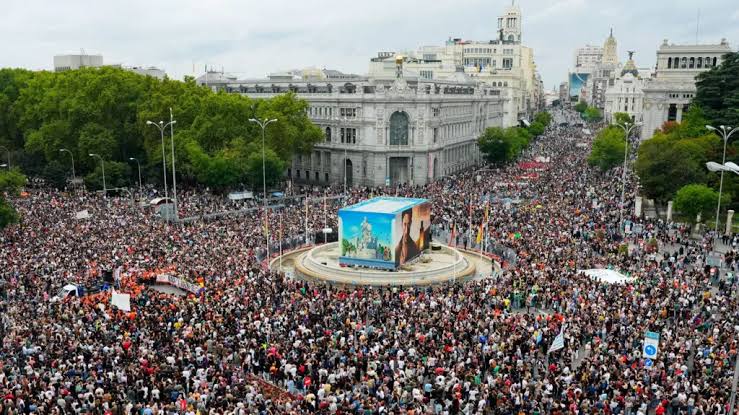
Who Is Really Behind France's Protests? Investigating the 54-Organization Network
Fox News identified 54 organizations allegedly connected to France's protest movement, but independent analysis reveals a complex mix of participants rather than a unified franchise.
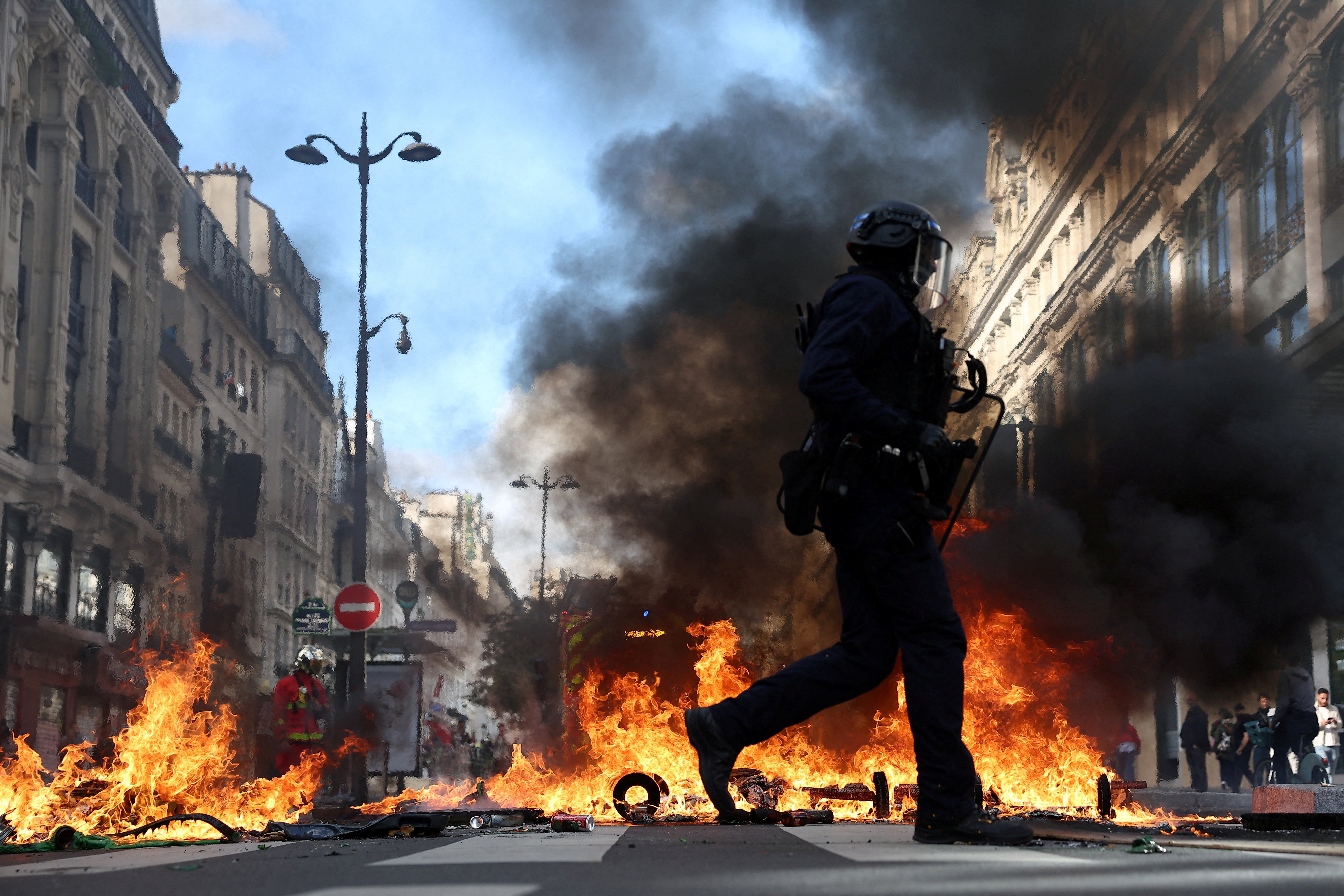
International media coverage of civil unrest often seeks a coherent cast of characters behind chaotic street scenes. A recent report from Fox News titled “Who’s who inside France’s ‘Chaos Inc.’ franchise: Communist groups, labor unions, global activists” put forward a sprawling network of 54 organizations allegedly driving the ongoing demonstrations in France. Examining this claim requires looking beyond broad labels to determine who is actually organizing, funding, supporting, or amplifying the protests, and what verifiable evidence exists for the purported network.
Investigating the core premise starts with distinguishing between the distinct roles groups play in social unrest. A fundamental error in much commentary equates an organization participating in a protest with an organization organizing it. Observers must separate primary organizers from general participants, political supporters, entities providing logistical assistance, organizations merely promoting events online or expressing solidarity, and groups that simply happen to have members participating on the ground.
The Fox News report clusters its 54 entities into several ideological and institutional buckets, including communist and socialist groups, trade unions, international activist networks, and various domestic associations. To evaluate these claims objectively, one must cross-reference official statements from the organizations themselves, documentation from French government and police authorities, public court records, French mainstream reporting, and major international news agencies such as Reuters, AP, and AFP, alongside academic research and public financial disclosures.
Analyses of communist and socialist organizations show that while radical left factions frequently endorse street actions and their members join picket lines, treating them as puppet masters oversimplifies a decentralized movement rooted in domestic economic grievances. Trade unions, meanwhile, operate through formal legal frameworks and distinct strike procedures. While labor confederations are central to organizing specific industrial stoppages and marches, their objectives and mobilization strategies are generally distinct from autonomous or radical anarchist blocs that often clash with police.
International activist networks and global organizations frequently express solidarity with French demonstrators or share mobilization notices via social media. However, digital amplification or rhetorical support does not equate to logistical control or financial orchestration. Similarly, Palestinian and Israel-related organizations operating within France become points of convergence during widespread civil unrest, but their involvement typically stems from broader political coalitions rather than serving as the central engine of domestic economic protest.
Special scrutiny of the 54 organizations reveals no entity comparable to AIPAC or an established pro-Israel lobbying network operating as a central driver of the French street protests. Investigations into foreign influence show that while various foreign governments and international activist networks are routinely accused of meddling during periods of high tension, public financial records and police statements do not substantiate claims of foreign governments orchestrating the unrest. The presence of international solidarity declarations must not be conflated with foreign control.
Evaluating the fact-checking standard across the Fox News claims yields mixed classifications. Elements regarding the public presence of specific communist groups, labor unions, and activist networks at demonstrations are confirmed by mainstream French media and police reports. However, characterizations framing these disparate actors as an integrated 'franchise' or unified corporate entity labeled 'Chaos Inc.' are misleading. The underlying fact that these organizations exist and participate is true, but the presentation implies a centralized coordination and command structure that is unsupported by rigorous evidence.
The bigger picture of French protest movements involves deep-seated domestic friction concerning pension policies, cost of living pressures, and labor laws. These grievances mobilize millions of citizens through traditional union structures as well as spontaneous digital organizing. While international outlets point to eclectic coalitions to explain the turmoil, the primary drivers remain rooted in domestic French political and economic debates.
Fact Check Verdict: Claims regarding the active participation of various communist groups, trade unions, and activist organizations in French demonstrations are confirmed by mainstream reporting and police records. Conversely, the overarching narrative depicting these 54 disparate entities as a coordinated 'Chaos Inc.' franchise orchestrated by outside forces remains unverified and misleading.