France Calls in the Military as Protests Grow
France's latest security response has generated alarming claims that the government is turning the military against its own population, revealing deeper questions about managing political unrest.
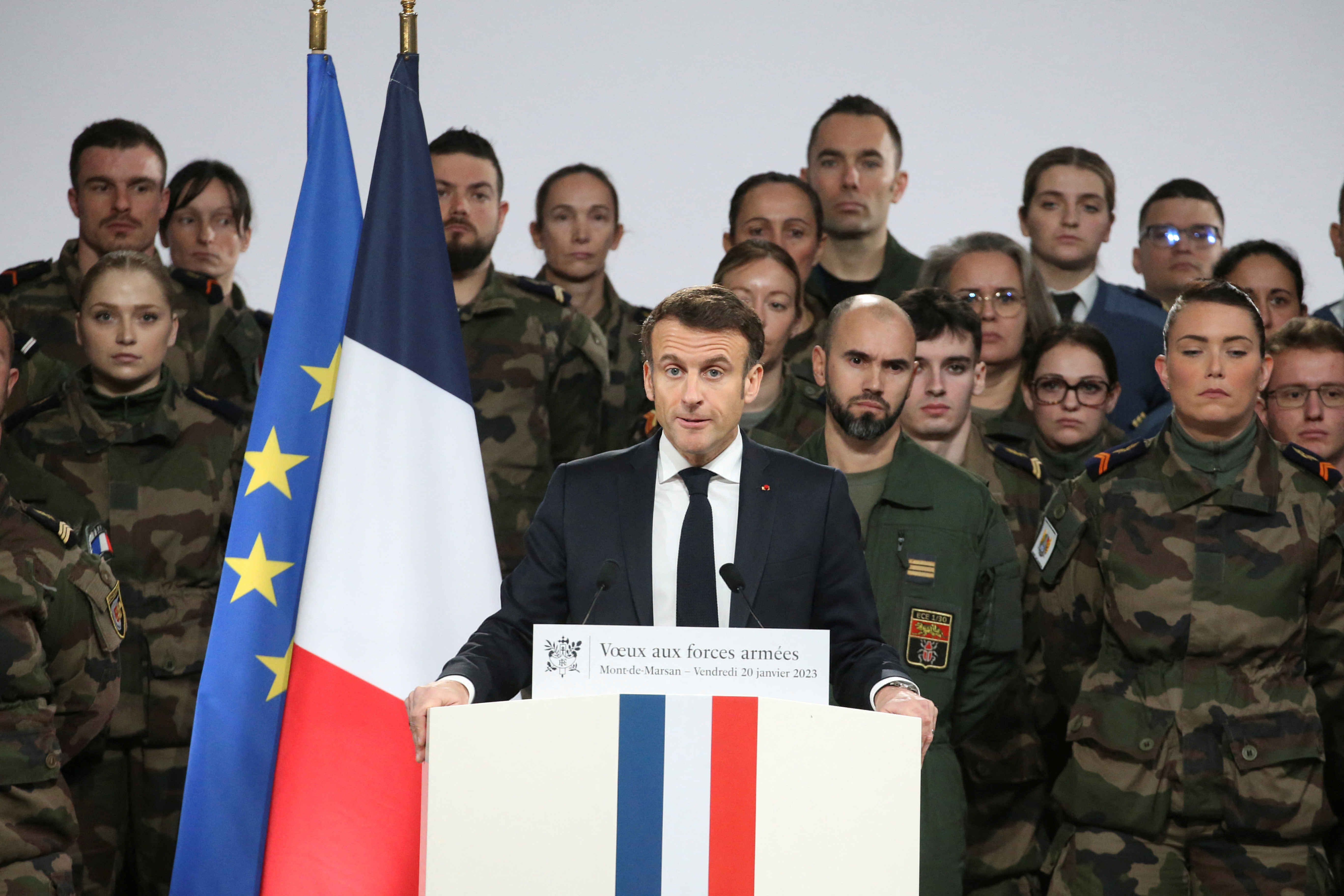
France's latest security response has generated alarming claims that the government is turning the military against its own population. The reality requires more nuance, but the decision still raises a larger question about why one of Europe's most powerful states increasingly struggles to manage political unrest through ordinary institutions.
To understand the gravity of the current discussion, it is first necessary to establish exactly what happened. Reports examining France's decision to call on, mobilize, or expand the role of the military in response to domestic crises require strict adherence to official orders and credible reporting rather than exaggerations that the army has been deployed directly against protesters.
Evaluating these measures requires examining what President Emmanuel Macron, the French government, the Interior Ministry, or the Defense Ministry actually ordered. It involves identifying which military units, reservists, gendarmes, or security forces are involved, and determining how many personnel have been called up. A critical aspect of this assessment is understanding the specific powers and responsibilities given to these forces: whether soldiers are directly policing demonstrations, protecting strategic infrastructure, supporting police, guarding government buildings, handling logistics, or replacing police assigned elsewhere. Observers must also ascertain whether the measure represents an emergency deployment, a reserve mobilization, a routine security mechanism, or something historically unusual, while identifying the legal authority that allows the French government to use military personnel domestically.
A central confusion in international reporting stems from the structure of French security forces. Clear distinctions must be made between the French Armed Forces, the Gendarmerie Nationale, ordinary police, CRS riot police, and military reservists. This distinction is essential because the gendarmerie is technically part of the armed forces but routinely performs civilian policing duties, separating it fundamentally from conventional military units.
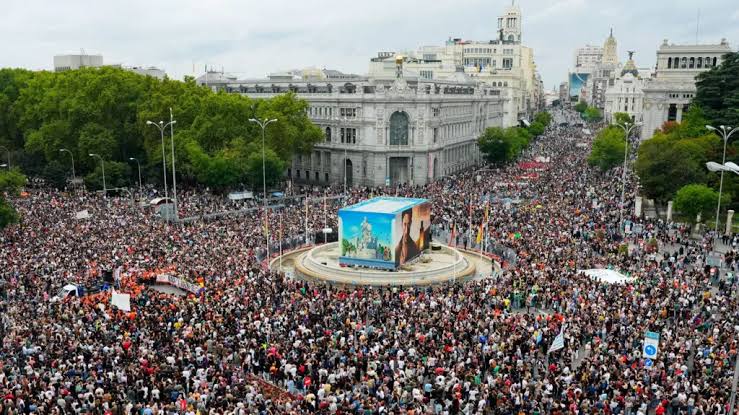
Examining why France believes additional security manpower is necessary requires documenting the scale of current protests and unrest. This includes tracking the number of demonstrations, arrests, injuries, property damage, transport disruption, strikes, road blockades, and attacks on public infrastructure. Identifying the triggers for these protests and understanding which political, economic, or social groups participate helps clarify whether the government faces a genuine security-capacity problem. Investigators must assess whether French police are exhausted or overstretched, whether simultaneous demonstrations are occurring across too many cities, and if major events, terrorism threats, overseas commitments, or other security responsibilities have reduced available manpower.
The political significance of these deployments is profound. France has experienced enormous protest movements before—including the Yellow Vests, pension-reform protests, suburban riots, and repeated nationwide strikes—without abandoning civilian government. Analysts must therefore ask what has changed for France to consider a greater domestic role for military personnel now. Comparing the current response with previous crises, such as the 2015 terrorist attacks and Operation Sentinelle, the Yellow Vest movement, the 2023 pension protests, the 2023 riots following the killing of Nahel Merzouk, and previous states of emergency, determines whether today's measures genuinely represent an escalation compared with those precedents.
Beneath immediate security maneuvers lies a deeper political problem confronting Macron and the French establishment. France is dealing not simply with street demonstrations, but with declining confidence in political institutions, fragmented parliamentary politics, fiscal pressures, disputes over immigration and security, anger over living standards, and growing support for anti-establishment parties on both the left and right. Observers must examine whether increasingly muscular security responses are treating the symptoms of France's political crisis rather than its causes.
At the same time, the government presents a robust counter-argument. Large demonstrations can involve violence, arson, attacks on police, disruption of transportation, and threats to critical infrastructure. Governments maintain a primary responsibility to maintain public order and protect citizens. Military personnel protecting infrastructure could also free police and gendarmes to perform ordinary policing rather than representing a militarization of political dissent. Reliable reporting incorporates perspectives from legal scholars, security experts, opposition politicians, unions, and government officials.
The central question remains whether France is genuinely militarizing its response to domestic unrest or if dramatic language about calling in the military is obscuring a more conventional security deployment. If one of Europe's oldest democracies increasingly requires extraordinary security measures to maintain order during political crises, the important story may not be the soldiers themselves. It may be what their presence says about the widening distance between the French political system and parts of the population it governs.