State Subsidy or Street Protest: The Economic Paradox of France's Universities
An examination of whether France's recurring student demonstrations stem from its state-funded education model or a deeper political culture.
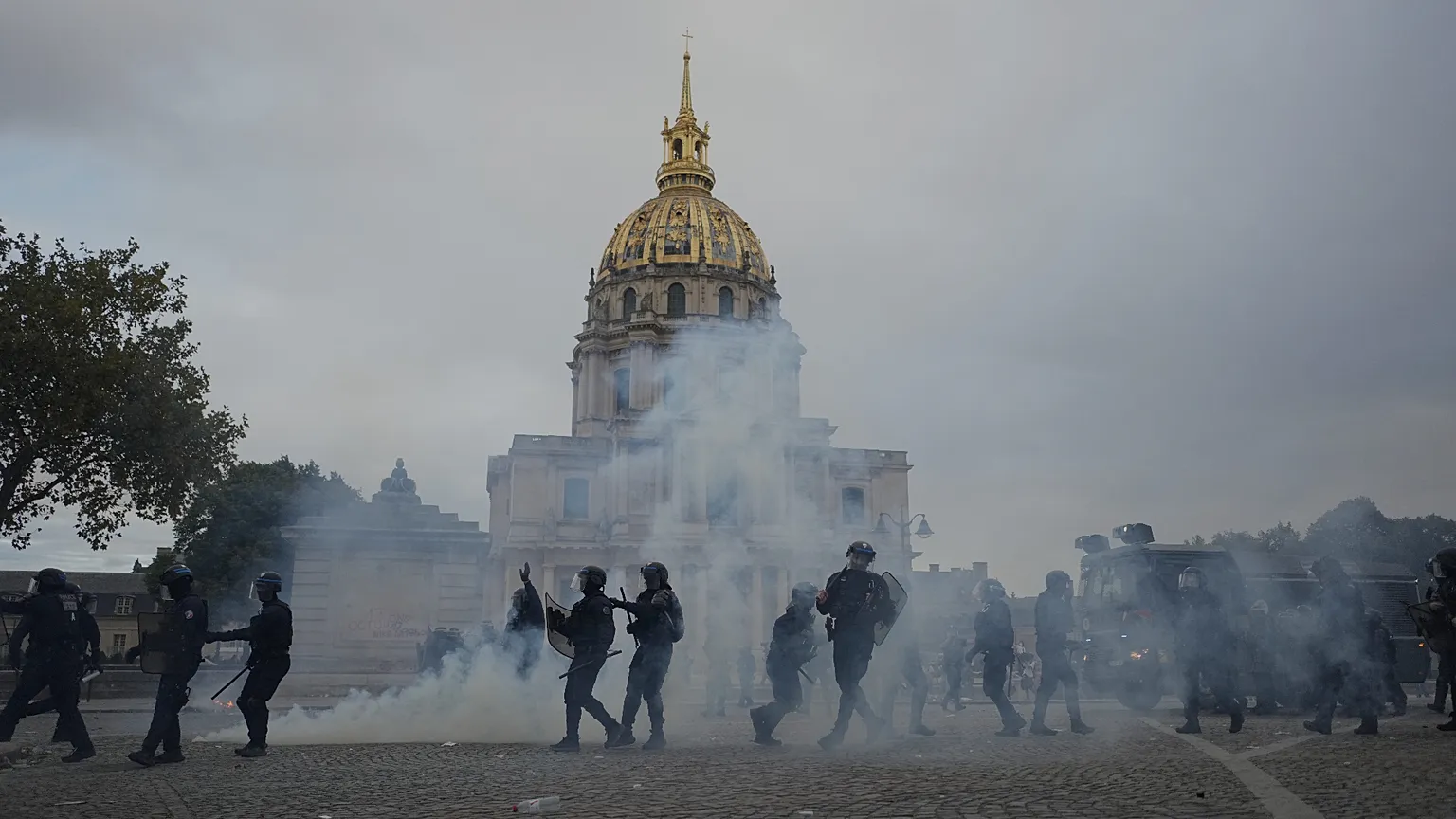
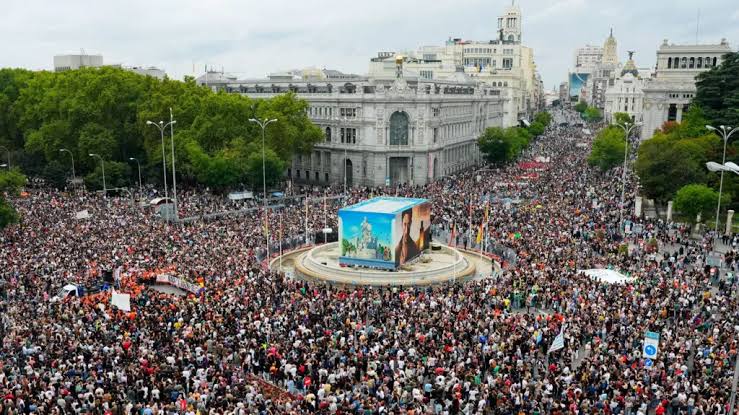
France faces a recurring test of its political stability whenever students take to the streets, raising questions about the relationship between the country's heavily state-funded education system and its tradition of civic unrest. This dynamic prompts a serious analytical question: are France’s recurring student protests partly a consequence of a higher education system financed largely by the state, and would a predominantly private university system produce better outcomes? Treating this as a hypothesis rather than an immediate conclusion requires examining the deeper structural links between France’s education model, political culture, welfare state, student expectations, labor market, and long-standing traditions of street protest.
Evaluating this question begins with verifying current student movements. Analysts must examine what students are actually protesting, how widespread demonstrations are, and whether universities, secondary schools, or both are involved, avoiding any exaggeration of isolated demonstrations into a nationwide movement.
Beyond immediate events lies a historical tradition of student activism. This lineage includes May 1968 and other major periods when students played an influential political role. Today's protests must be weighed against whether they are primarily the product of education financing arrangements or part of an older French political culture in which demonstrations and strikes are widely accepted methods of influencing government policy.
Turning to the economics of France's public university system, public funding forms the bedrock of higher education. Students pay minimal tuition fees, while taxpayers provide the substantial financial backing required to operate institutions, granting broad access and social benefits.
Examining the argument against this current model reveals several criticisms. Heavily subsidized higher education can weaken the direct relationship between the cost of education and its economic value. Almost-free university education can contribute to overcrowding, underfunding, weak institutional competition, and mismatches between degrees and employment opportunities. Furthermore, dependence on government funding can make students and universities unusually vulnerable to government budget decisions. A system in which the government provides extensive benefits can also foster stronger political expectations that the state must solve broader economic and social problems.
Conversely, the strongest counterargument supports the public model. Public education can expand social mobility, reduce student debt, increase access for poorer families, and treat higher education as a public investment rather than a consumer product. Privatization might not address the root causes of student unrest, and could instead simply replace one set of problems with tuition costs, student debt, inequality, and reduced access.
International comparisons provide further context. Countries using substantially different models, such as the United States and the United Kingdom, rely heavily on private financing or high tuition, while European systems like Germany maintain inexpensive public higher education. Establishing whether students protest less in countries with private or expensive universities requires looking past financing to consider political culture, labor laws, demographics, economic conditions, and institutional structures.
An important alternative possibility suggests that the real problem is not that French universities are public, but that the combination of low tuition, constrained government budgets, centralized decision-making, labor-market difficulties, and limited university autonomy creates structural tensions. Realistic alternatives extend beyond the extremes of total government funding versus complete privatization. Options include public universities with greater institutional autonomy, means-tested tuition, income-contingent student financing, mixed public-private systems, greater competition between universities, stronger vocational alternatives, funding tied partly to outcomes, and more private universities operating alongside public institutions.
This leads to a provocative counterfactual: if France's universities had been predominantly private for the past fifty years, would the country actually have experienced fewer student protests, or would French political culture simply have produced protests over tuition, inequality, debt, and access instead?
Evidence suggests that the issue extends beyond a simple dichotomy. The incentives and expectations created by France's state-centered model contribute to political unrest, yet privatization would likely alter the form of these grievances rather than eliminate them.